
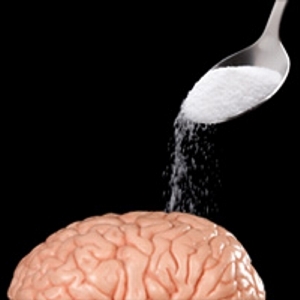
It’s a whole family of myths that refuse to die. No matter how many times the experts try to debunk them. Sugar is a huge topic of discussion among health conscious folks these days. And old sugar myths are gaining traction again…
 Excess Sugar : One of the Big 3 dietetic demons in Ultra-Processeed
Foods (UPFs), along with fat and salt, gets people talking…
Excess sugar consumption is at the heart – literally – of health and wellness conversations these days. UPF makers are downplaying the sugar in their products and trying to divert consumer at-tention from it.
And nutritionists are amping-up their warnings against it as evidence mounts that excess sugar is bad for us, and we all get way too much of it.
Old myths get new life
With all that talk, it was inevitable that the old myths and common misunderstandings about sugar would start circulating again.
We’ve all heard them, and most of us in the know are aware they consist of misinformation, often based on outdated medical and nutritional information. But many more ordinary folks out there – especially the younger generations – are ‘fresh meat’ for the myth mongers…
Here we go again…
When sugar comes up in conversation, it’s often accompanied by one or more of the following myths. And taking these outdated and untrue fake facts as ‘gospel’ can not only cause confusion, but result in real harm…
Sugar causes pimples
No. It was long thought that eating too much sugar – often in what we now call UPFs – caused acne. But that myth has been debunked several times over by scientific studies that show pimples and other acne symptoms are caused by excess skin oils that block pores and can led to localized in-fections. The connection with sugar was coincidental, and due to a parallel condition: puberty.
Kids coming of age experience various temporary imbalances in bodily functions due to hormonal reactions. One of them being excess skin oil. But puberty is also a time when kids are taking more responsibility for their dietary choices while, at the same time, experiencing cravings for sugar, fat and salt.
Sugar makes kids hyperactive
Simple sugars are metabolized quickly and enter the body in high concentrations. Odder folks, who breakfast on doughnuts and a double-double, may experience a late morning energy crash when their morning sugar wears off. But extensive research shows that sugar does not make children (or adults) hyperactive. The perceived ‘rush’ usually stems from expectation bias (eg. – parents expecting kids to be rowdy at a party), and a connection with the naturally exciting environments where sweets are consumed.
Sugar causes Type 2 Diabetes
My stepmother, Dorothy, used to swear, up and down, that sugar caused type 2 diabetes. But she also claimed that, when someone dropped a knife on the floor, it meant a man was coming to visit from the direction the blade pointed. Sugar does not directly cause type 2 diabetes. However, consuming high amounts of added sugar contributes to weight gain and obesity, which are major risk factors for developing the disease.
Natural sweeteners are better for you
Some natural forms of sugar are less concentrated or less sweet than others. So, you may be getting more or less sugar per ‘serving’ depending on what you’re eating. Folks naturally use more of sugars that are less sweet to get the same flavour effect. And the ‘simple’ sugars in soda and other UPFs are processed differently than those in natural foods such as fresh fruits.
“The sugar in fruit comes packaged with fiber, antioxidants, and water, which helps slow absorption and supports metabolic health,” says Dr. Pinchieh Chiang, a board-certified family physician. “It’s a very different scenario from drinking a sugary beverage or eating candy.”
But in the end, sugar is sugar, no matter how you dress it up.
Sugar isn’t a carbohydrate
Here’s a sugar trap anyone could fall into. When you say ‘carbohydrates’, many folks automatically think of bread and pasta. But not sugar. Alas, they’re wrong. “Sugar is a carb, but not all carbs are sugar,” says Registered Dietician Jessica Corwin. Sugar is just one of three types of carbs – the simplest form – along with starch and fibre.
“Sugar is the simplest form—think table sugar, honey, or the natural sugars in fruit (fructose) or dairy (lactose),” she adds. “But complex carbs like quinoa or black beans? Those are in the same family, just with more fiber, protein, and staying power.”
My take
Those are just a few of the common myths surrounding sugar. Prevention.com offers additional examples… And you can simply Google ‘sugar myths’ for a whole host of information.
We all might do with a refresher on the ‘real facts’ about sugar, considering how important controlling our intake is to avoiding obesity, type 2 diabetes, heart health issues and other ills that proceed from excess…
~ Maggie J.