
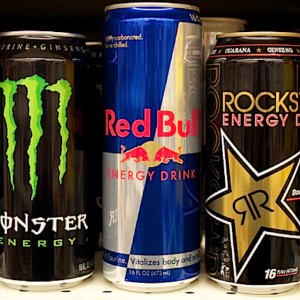
For the past few years, there’s been increasing criticism and concern around energy drinks that de-liver a caffeine kick. There have even been deaths due to caffeine overdoses. Now, the US FDA is tightening its regs…
 Panera’s ‘Charged’ Lemonades: Triggered the whole caffeine content controversy…
The deaths – involving caffeine-jacked lemonade, triggered a groundswell of calls for tighter controls over added caffeine in beverages and more explicit labelling…
Elevated priority
The US Food and Drug Administration has jumped improved caffeine labelling to the front of the line in its regulatory updating process. The consumer and health advocacy push started after three peo-ple died from drinking caffeinated lemonade at Panera Bread. The deaths were ultimately marked up to miscalculation of the caffeine dose the victims were getting, and misinterpretation of the caffeine content of the beverage.
But restaurants and beverage purveyors are still pumping out caffeine-‘charged’ products . And the controversy gained new traction recently after another death, in Texas, attributed to caffeine.
“Texas Attorney General Ken Paxton launched an investigation into Celsius Holdings in June after a 17-year-old Alani Nu consumer died from an enlarged heart allegedly caused by excessive caffeine consumption,” Food Drive reports.
Alani Nu bills itself as a provider of ‘pumped up pick-me-up‘ drinks.
Current regulations
Current caffeine labelling regulations require packaged food and beverage makers to list added caf-feine in their ingredient lists. But caffeine content doesn’t have to be declared when it comes by way of coffee or chocolate in the products. Consumers are expected to know that those foods nat-urally contain caffeine.
On the bright side, many makers of caffeine-boosted foods and drinks do include caffeine content information on their labels. It’s usually expressed both as milligrams of caffeine per serving. Some brands also extrapolate that measurement to its equivalent in ‘standard’ cups of coffee.
What’s in store…
First and foremost, the FDA is considering enacting clarifications on caffeine labelling. But it’s also considering regulating the use of ‘healthy’ claims on caffeine-boosted foods. There’s already such a measure in the works.
And there’s speculation within the caffeine-augmented foods sector that the FDA is also considering updating and tightening the definition of ‘healthy’ as it applies to food and beverages.
A broader push
The caffeine labelling regulations update is part of a broader program of regulatory action planned by the FDA in 2026. Another high-profile project involves changes designed to ‘encourage’ the pro-cessed food industry to decrease the levels of added sugar in its brands.
My take
Perhaps the most ambitious plan the FDA is undertaking this year is to draft an official definition of Ultra-Processed Foods. Which is seen as a prelude to bringing in specific new regulations controlling them.
We await all these developments with great interest…
~ Maggie J.