
The old ‘more is better’ myth is gaining traction again, among folks who want to optimize their health through food and supplements. Maxxing advice is all over the online world, but doctors warn much of it is unhelpful, and even unhealthy…
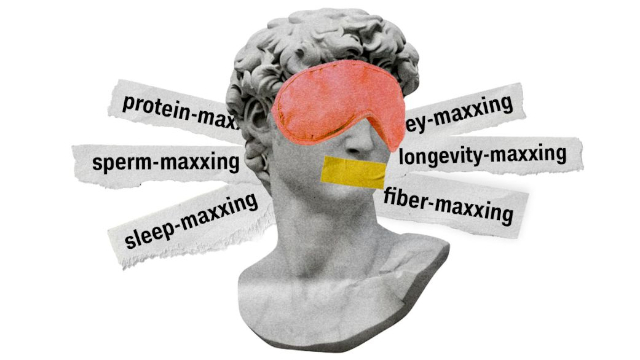
“’Maxxing’ is an online trend applied to advice for aspects of health including sleep, diet and fertil-ity,” a CNN report explains. “But much of this maxxing advice can be unhelpful or unhealthy or go against the steady, personalized changes many experts recommend.”
From game culture
The term’s roots trace back to the concept of ‘min-maxing’ in Dungeons & Dragons and other role-playing games, says Adam Aleksic, author of Algospeak: How Social Media Is Transforming the Future of Language.Players maximize or minimize different traits in their game characters.
But it’s not only caught on, especially among younger folks – it’s persisted to the point that nutrition-ists and physicians are warning of maxxing’s dangers. “Relentless overoptimization at the expense of other areas of life persist in the health and wellness spaces online and the real world. That’s why ex-perts caution that intensity is not always the ideal approach for self-improvement,” CNN Health reporter Madeline Holcombe tells us.
Focus on fibre and protein
Perhaps he most visible of the maxxing fads are fibre and protein maxxing. It all may have started when doctors began warning that most folks who eat according the so-called Western Diet – full of ultra-processed foods (UPFs) and low on fresh produce – aren’t getting enough dietary fibre.
Health officials say as many as 97 percent of Americans aren’t getting the recommended 22 to 34 g of fiber daily (dependent on age and sex). That can lead to a host of ills including physical manifest-ations such as constipation, hemorrhoids, and diverticulitis, as well as systemic issues such as high blood sugar, high cholesterol, gut inflammation and increased risk of heart disease.
Protein is a different matter. The experts say most folks are getting enough, or more than enough, protein in their daily diets – UPF-loaded or not. The protein craze may have had its roots much far-ther back than the fibre ‘rush’. So-called Health Food and supplement stores have been pushing added protein for ywars, popularizing a practice espoused by body builders and professional ath-letes to build and maintain strong muscles.
Nevertheless, processed food makers – junk food purveyors in particular – have lately rushed to add protein to everything from salty snacks to fizzy drinks in an attempt to make their products look healthier.
Trust your doctor
It’s crucial for people to be open and honest with their family doctor, says Dr. Jennifer Kawwass, Medical Director at the Emory Reproductive Center in Atlanta. ““Many things, in the extreme, are probably not healthy,” she said. Kawwass suggests moderation as a general guiding principle in health related issues.
Aleksic stresses, you can’t ‘maxx’ all things all the time. Necessarily something else gets minimized.
“Focusing so heavily on your protein intake may mean you aren’t getting enough vegetables. People can also miss out on social outings, celebrations and points of connection because they are so foc-used on an overly optimized and delicate system they have set up for themselves. ,” Holcombe points out.
My take
Another victory for common sense! And another endorsement of my own guiding principle in dining, and life as a whole: Moderation in all things!
But DO consider increasing your fibre intake…
~ Maggie J.