
2.4 min. read
Roasting is probably the optimum way to cook your veggies. But many cooks try the technique and abandon it – because their roasted veggies turned out yucky. Turns out there’s a key factor in the process that defines success or failure…

Have your attempts to roast veggies to the beautiful, savoury, caramelized perfection they always show in the glossy food photos ended in disappointment? In woody carrots, mushy asparagus, charred Brussles sprouts? There’s an answer to your silent prayer…
Science to the rescue!
There are good reasons that the 400 – 450 F temperature range is perfect for roasting veggies. They have to do with the physics of cooking – what happens when you apply heat to food. But there’s chemistry in there, too. Then, there’s the moisture variable. And the caramelization point. And a whole bunch of other details that all play together like a soccer game with too many players on the field.
The experts explain
Veteran food writer Sarra Sedghi asked even-more-senior food experts why roasting veggies can be such a temperamental affair…
Sedghi preambles her exposé with a big spoiler: 425 F / 220 C is considered the ‘Golden Temperature’ by both pro and home cooks in the know. But most cooks don’t know why. And that means they don’t now how to fix it’ if their roasted veggies go wrong.
What happens…
“As the moisture and natural sugars in vegetables rise to the surface when heated, those sugars caramelize, thus creating a desirable darker crust which equals a richer flavor and slightly crispy texture,” recipe developer and video host Nichole McLaughlin says. “If the temperature is lower, the vegetables will tend to cook in their moisture and basically ‘steam,’ which delivers a more subtle flavor.
What can go wrong…
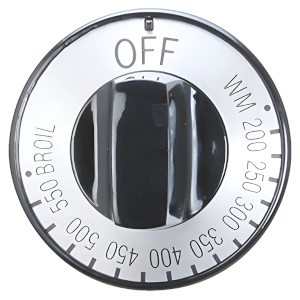
But there’s a problem with just setting the oven and forgetting. Some ovens – as all experienced cooks know – are ‘faster’ and others are ‘slower’. So, 425 F on one oven may not be 425 F on another
“According to General Electric, standard home ovens can naturally drift or be uncalibrated by up to 30°F in either direction from the temperature you actually dial in,” Tasting Table reports.
You need to get to know your oven, and know where The Golden Temperature really is on its dial. You’ll probably notice an improvement in your baking projects as well as your roasting endeavours as a result.
Get stoned
But there’s also a major issue with drifting – the tendency for your oven’s temperature to vary over time as components age, or day to day according to the ambient temperature and humidity.
Jill Nystul, proprietor of food blog one good thing.com, there’s a simple way to ensure your oven’s temperature remains stable. And it’s a great way to up your cred on pizza, flatbread and legacy bread-making projects.
“[P]ut a pizza stone on the bottom rack. It’ll take a bit longer for your oven to heat up, but it’s worth it, because it acts as a buffer between your oven’s heat source and the food,” Nystul recommends. “Adding a pizza stone to your oven will also help reduce the amount of temperature fluctuation that happens when you open the oven door.”
My take
I suffered for decades in what I thought was a permanent love-hate relationship with my ovens. All of the ovens I’ve ever cooked in, in all the places I’ve ever lived. And I can tell you from experience that getting a new oven doesn’t guarantee you’re getting a more accurate oven, either.
You have to take command of your oven by getting to know it inside and out. Mostly inside, of course. Then, you can roast and bake consistently, and with confidence!
~ Maggie J.