
I’ve been giving this issue all the attention I can – because folks need to be aware of it. Consuming protein-boosted foods may do you more harm than good! But junk food purveyors and even some mainline UPF makers don’t want you to know that…
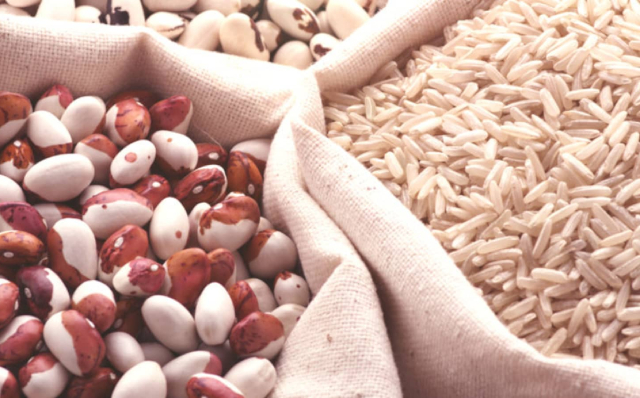 A balanced, complete plant-based potein such as quinoa, or the age-old combo
of Beans and Rice, may be the best choice for your protein intake,
if you want to optimize your diet for healthy longevity…
Protein enhancement is the latest frontier for fizzy beverage and snacks makers desperate to win over the hearts, minds and stomachs of health-conscious consumers. But there’s a catch…
Less is more
“Despite widespread recommendations for higher protein intake during aging,” a new learned study warns, “increasing evidence suggests that dietary protein restriction (PR) promotes metabolic health, healthspan, and lifespan.”
According to a Food & Wine report, the survey, “reviewed data from more than 350 studies on protein restriction and aging. The research team ultimately found that cutting back on protein may be linked to an improved metabolism, reduced inflammation and cellular damage, and the activation of bio-logical pathways tied to healthier aging and a longer life.
“It’s absolutely crystal clear that there are benefits of protein to muscle growth and exercise res-ponse of active individuals,” says Dudley Lamming, the report’s corresponding author. “But because most people are relatively sedentary, many people are likely consuming more protein than they actually need, which probably has negative health consequences.”
And that’s just the latest connection science has made between excess protein intake and a whole slew of health issues affecting folks of all ages.
Dangers of protein boosting
The potential dangers of protein boosting are many and varied. The Cleveland Clinic enumerates the main concerns:
-
- Kidney strain: Your kidneys help clear out the waste that’s made when your body breaks down protein. If you consistently take in more protein than your body needs, it can stress or even damage your kidneys.
- Kidney stones: Diets that are very high in animal protein may make kidney stones more likely for some people. (And trust us: Nobody wants to experience kidney stones.)
- Nutrient deficiencies: Focusing on protein shakes, meat or other high-protein foods can push plant-based foods off your plate. In that situation, you may end up getting less fiber, vitamins and other nutrients your body needs.
- Heart health: A high-protein diet can be a concern if a lot of that protein is coming from red meat or processed meats with high amounts of saturated fat, which brings increased risk of heart disease.
Signs you’re over-indulging
The Cleveland Clinic also offers some indicators that a high-protein diet is getting too high:
-
- Digestive issues: High-protein diets can contribute to constipation, especially if protein-rich foods are replacing fiber-rich foods like fruits, vegetables, legumes and whole grains.
- Dehydration: Processing large amounts of protein can lead to dehydration. That’s because your body pees out more water to help get rid of the waste from breaking down all that protein.
- Bad breath: Very high-protein diets — especially those that are also very low in carbohydrates — can sometimes cause unpleasant breath. This side effect is often called “keto breath.” (It can be a byproduct of following the keto diet.)
- Weight gain or stalled weight loss: Protein contains calories, too — about 4 calories per gram. If extra protein pushes your total calorie intake above your needs, it can lead to weight gain or make weight loss harder.
How much protein do you need?
Every official source says the same thing: most of us in the western world – except, maybe, elite ath-letes and some older folks – are already getting more than enough protein from their daily diets.
The 2025-2030 Dietary Guidelines for Americans recommends that adults aim to eat 1.2 to 1.6 grams of protein per kilogram of body weight per day. (That’s 0.5 to 0.75 grams of protein per pound of body weight per day.) That means a typical 150-pound (68-kilogram) person, should be consuming roughly 80 to 110 grams of protein per day.
Health Canada echoes that guideline. And the Dieticians of Canada provide details…
So… Considering that many protein-boosted Ultra-Processed Foods (UPFs) boast anywhere from 10 to 20 g of added protein per serving, you can quickly cross the line into too-much territory.
My take
What makes the whole protein-boosting scenario even darker is, the UPF makers are adding protein but aren’t taking out the ingredients in their products that are bad for you. They may make hay in their marketing bumph about lower sugar, salt or fat content. But that’s largely just lip service. Especially in the wider context of what’s still in UPFs – including multi-syllabic additives such as texturizers, emulsifiers and preservatives…
~ Maggie J.