
There’s a good side and a bad side to this trend in consumer behaviour. The good side is shoppers are more aware of their protein intake. The bad side is, many are caught up in the current mania for more protein – which most of us don’t need…
Packaged food makers – AKA UPF pushers – are increasingly adding protein to their products in a move to convince you those foods are ‘healthier’ and more ‘functional’. It’s all a lie. A ruse to get you to feel better about eating their junk.
The truth is, most of us – here in the West, at least – get all the protein we need and more already, from our usual diets.
‘Survey says…’
A new survey by the International Food Information Council (IFIC) has revealed some interesting – and a few troubling – trends among American consumers.
The IFIC Spotlight Survey, taken this pat March, shows that most Americans DO read nutrition labels on packaged foods.
- Most Americans (79%) report checking nutrition or ingredient information on packaging at least sometimes,
- 80% say FOP nutrition information influences their purchasing decisions at least sometimes.
Americans also report looking for a broad range of information on packaging including:
- Calories (45%),
- Total sugars (44%),
- Protein (42%),
- Sodium (41%), and
- Added sugars (39%).
Overall attitudes
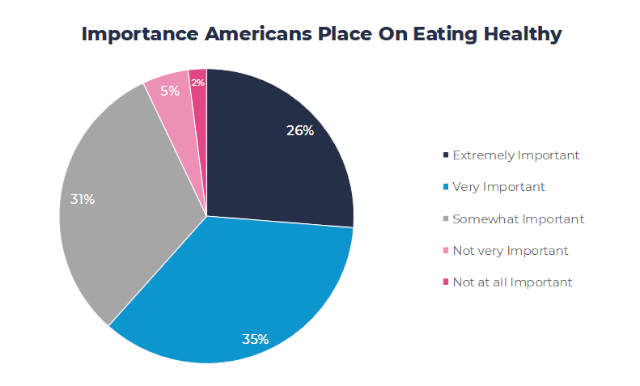
The survey also showed that Americans are ‘overwhelmingly’ concerned about healthy eating:
- A majority (26%) describe it as ‘extremely important’.
- 35% say it’s ‘very important’.
- 31% say it’s ‘somewhat important’.
A small minority place low importance on healthy eating, including:
- 5% who say it is ‘not very important’, and
- 2% who say it is ‘not important at all’.
Protein awareness soars
An abrupt upsurge in consumer awareness and concern about protein stands out among other survey findings. That’s troubling to nutritionists, who say most of us already get more than enough protein from our usual daily diets. They have been trying to get folks to eat more fibre.
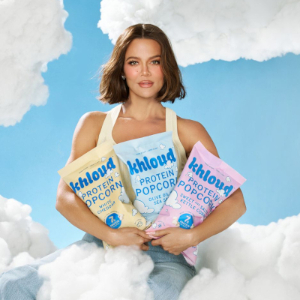
But UPF (junk food) makers are now pushing protein-enhanced versions of their flagship products, claiming the addition of protein makes them healthier and more ‘functional’. Even popcorn is being ‘gifted’ with added protein (see photo, top of page).
And the promotional drive by junk food makers seems to be working. Consumers are much more interested in the protein content of their food choices than ever before.
“Label reading is becoming a routine part of shopper decision-making,” Group President of Omni-channel Sales and Services at polling firm Acosta Group, Mark Rahiya, said recently, in a statement. “Consumers are actively seeking ingredients that support specific health goals.”
Fair enough. But what most consumers don’t seem to appreciate is, junk food is still junk food, even if it is fortified with added protein and other ingredients. All the bad stuff that makes them UPFs is still in there.
Kellogg’s leads the way
We recently posted a critique of Kellogg’s new SPOONs program. It’s a labelling initiative designed to display the health benefits of their cereals prominently on their packages.
The SPOONS label is advertised as a quick-reference guide to help you make informed decisions at a glance:
S – Simple ingredients: Highlights minimal, recognizable components.
P – Protein: Promotes protein content, particularly when combined with milk.
O – Outstanding fibre: Highlights cereals high in dietary fibre.
O – Other nutritious foods: Notes additions like whole grains, fruit, and dairy.
N – Nutrients you need: Focuses on essential vitamins and minerals like iron, folate, and calcium.
S – Single-digit sugars: Identifies options with 10 grams or less of added sugar per serving.
SPOONS labelling will begin appearing on the back of classic products later this year, including Rice Krispies, Corn Flakes, Frosted Mini-Wheats, All-Bran, and Raisin Bran.
What they don’t tell you is…
The milk they suggest you add to the cereal is where most of the protein, calcium, iron and folate comes from. And again, the second ‘O’ in SPOONS stands for ‘Other nutritious foods’. Two out of three of those mentioned are milk and fruit, which you have to add.
My take
Yes. It’s good that consumers are becoming more aware of their protein intake. But it’s not so good that they’re being hoodwinked by UPF manufacturers into buying protein-enhanced junk foods.
Fibre, on the other hand, is another story. We DO need more fibre in our diets – all of us – for gut health and other benefits. The dark side there is that junk food makers are also adding fibre to their products, along with the protein. And when doctors tell folks to consume more fibre, the experts fear many will likely turn to intensely promoted ‘enhanced’ junk foods instead of truly healthy, unpro-cessed foods such as fresh fruits and veggies, many of which are excellent natural sources of fibre.
And that’s a crying shame…
~ Maggie J.