

1.5 min read
Our family doctors and other authorities have been telling us for years to take Vitamin D and Cal-cium for bone health. New science reveals that might not be as effective as we all thought… Researchers suggest suitable exercise may help more…
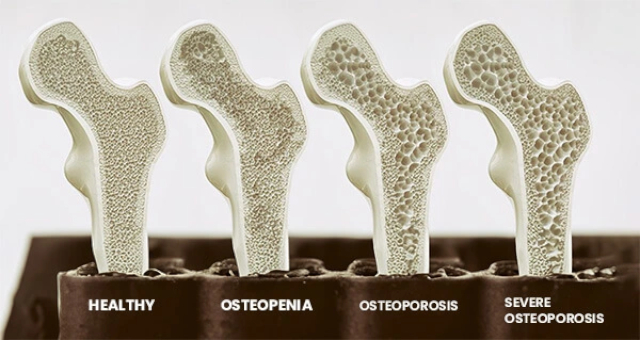
Conventional wisdom for decades has been that folks with declining bone density should take calcium and vitamin D supplements. It was thought they worked together to counter density loss and even rebuild bones…
Maybe not?
A new review published in the BMJ Journal reveals that conventional treatments for bone density decline may not be as effective as the medical community has thought…
The preamble to an abstract of the study report sets he scene: “Falls are a major health concern as people age. Nearly one in three adults aged 65 and older falls each year, and those falls can lead to fractures, chronic pain, loss of independence, reduced quality of life, and in some cases a move into residential care.”
What they did
The Canadian team examined results from 69 randomized controlled trials involving 153,902 adults. The trials compared calcium supplements, vitamin D supplements, or a combination of the two with either a placebo or no treatment. Researchers focused on whether the supplements reduced fract-ures and falls.
What they found
The researchers found little to no effect on the chance of experiencing any fracture.
For calcium supplements, that conclusion was based on moderate-certainty evidence from 11 trials involving 9,067 participants.
For vitamin D supplements, the researchers found high-certainty evidence from 36 trials involving 92,045 participants.
The takeaway
Based on the findings, the researchers say the evidence, “does not support routine supplementation with calcium or vitamin D, or combined supplementation to prevent fractures and falls.”
My take
It’s important to note: The conclusions may also not apply to everyone. In particular, people with certain bone disorders or those receiving medication for osteoporosis may have different needs and should not assume the findings apply directly to them.
Nevertheless, I must also point out that the survey found calcium supplements more useful, statist-ically, than Vitamin D.
The researchers suggested alternate strategies including balance training and resistance exercise, which can help improve strength, stability, and physical function.
They also suggested that programs that combine several approaches may also be useful. These can include exercise, assessment of hazards that could contribute to falls, and education tailored to a person’s individual risk…
~ Maggie J.