

It’s a dramatic assertion, and a damning one. And it’s fuelling debate over whether Ultraprocessed Foods (UPFs) should be regulated like tobacco – an association which has been cited by researchers in reference to UPFs’ addictiveness…
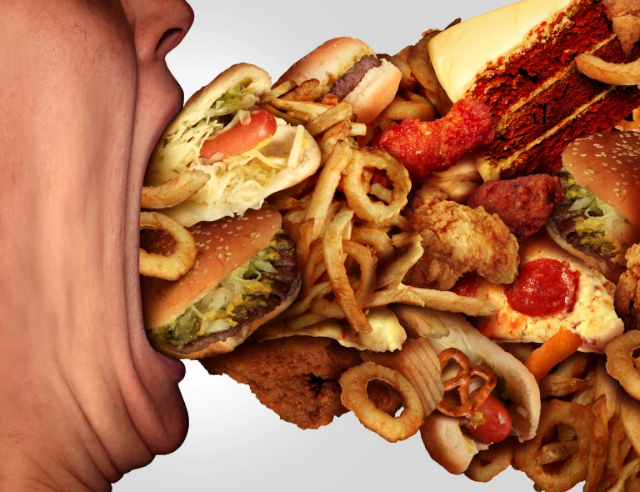
A team of researchers from 4 Ivy League schools has published a new report in The Milbank Quarterly, suggesting that UPFs be regulated just like tobacco. Their overarching opinion is, “UPFs are ‘the new cigarettes”.
Their key points…
Ultraprocessed foods (UPFs) are engineered to heighten reward and accelerate delivery of reinforcing ingredients, driving compulsive consumption and disrupting appetite regulation. This is a growing challenge for health policy.
UPFs share key engineering strategies adopted from the tobacco industry, such as dose optimization and hedonic manipulation. These parallels should inform how we classify and regulate UPFs.
Policy tools that helped reduce tobacco-related harm, including restrictions on targeted marketing, taxes, improved labelling, limits on availability in schools and hospitals. And litigation, should be adapted to address the public-health threat posed by UPFs.
The issue in a nutshell…
“Cigarettes and UPFs are not simply natural products but highly engineered delivery systems design-ed specifically to maximize biological and psychological reinforcement and habitual overuse,” the researchers wrote in their paper, published in the journal The Milbank Quarterly.
“Both industries [tobacco and UPFs] have used similar strategies to increase product appeal, evade regulation, and shape public perception, including adding sensory additives, accelerating reward delivery, expanding contextual access, and deploying health-washing claims. These design features collectively hijack human biology, undermine individual agency, and contribute heavily to disease and health care costs.”
Some context…
“Ultraprocessed foods (UPFs) now dominate the global food supply and are strongly associated with risks for heart disease, cancers, metabolic disease, diabetes, and obesity.” the study report states. “UPFs are likely associated with rates of neurologic issues such as dementia and Parkinson’s disease, and predict premature death.”
In fact, recent independent surveys have revealed that UPFs account for more than 75 percent of the food in North American supermarkets, and more than 70 percent of what we eat.
The affects of UPFs cost the global healthcare system hundreds of billions of dollars per year. In fact, at the rate that figure was rising when the cost estimate was penned, the true bill my now be over $1 trillion.
Millions of people around the globe die every year from preventable diseases caused directly, or promoted by consumption of UPFs.
My take…
This isn’t the first time UPFs have been tagged as addictive. Nor is it the first time they’ve been compared to tobacco, alcohol and even heroin as classically addictive substances.
There have been many previous studies suggesting UPFs should be regulated as real, substantial health and nutrition threats. But the Milbank Quarterly study is the first such data-mining review to take in such a wide range of existing research in formulating its findings.
The researchers pull no punches when they conclude: “UPFs should be evaluated not only through a nutritional lens but also as addictive, industrially engineered substances. Lessons from tobacco reg-ulation, including litigation, marketing restrict-ions, and structural interventions, marketing restrict-ions, and structural interventions, offer a roadmap for reducing UPF-related harm. Public health efforts must shift from individual responsibility to food industry account-ability, recognizing UPFs as potent drivers of preventable disease.”
This is the first time a learned study by a collaborative team withy members from several top-level universities has not only suggested, but prescribed that UPFs be treated like the other classically addictive substances on which society already places tight controls.
The question is… Will the politicians listen? And act decisively?
~ Maggie J.