

We all know what UPFs are, right? Or do we? Seems the Trump Administration is having trouble draft-ing an official definition. And that’s largely because there are so many other unofficial definitions out there already…
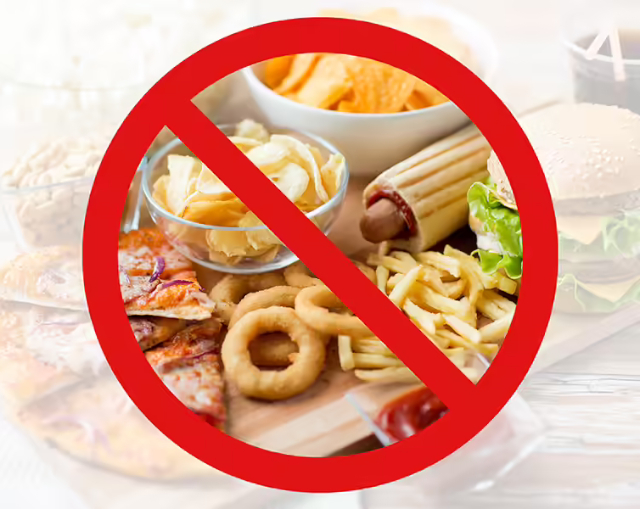
Not having an official definition if Ultra-Processed Foods has held up a host of initiatives to draft new laws and regulations governing the manufacturing and sales of UPFs…
A tough job…
…But somebody’s got to do it. And that ‘somebody’ is none other than the understaffed, overworked US Food and Drug Administration.
Health and Human Services Secretary RFK Jr (pictured, top of page) is personally spearheading the push for an official defin-ition. He’s been up in arms about UPFs since his appointment last year. And he originally directed the FDA to come up with a definition by this past April. But FDA officials say that’s proven impossible – at least up to now.
“Just because it’s a tough challenge, it doesn’t mean it’s something that we should shy away from,” Donald Prater, the FDA’s acting Deputy Commissioner for Food, said during his keynote address at the recent IFT First conference in Chicago.
“Prater [told the IFT crowd,] coming up with an Ultra-Processed Foods definition is essential for help-ing consumers make healthier choices,” Food Dive reports.
“In addition to the ultra-processed definition, the FDA is working on a front-of-pack nutrition labeling rule to make calorie and added sugar information more prominent while helping consumers quickly identify key nutritional information,” Prater added.
The crux of the problem
… Is that there are a number definitions being used by agencies, industries and action groups both promoting and fighting UPFs.
Prater cites the example of foods such as whole grain bread, yogurt and tofu, which are generally looked upon as healthy, but may be considered UPFs under some definitions currently circulating.
One dimension of the problem, scientists say, lies in the question of how much of unhealthy in-gredients are used in a given product. Where do you draw the line?
And there’s the vexed question of the GRAS designation for food product ingredients. It means ‘Generally Recognised As Safe’ (for human consumption). But that one has come under increasing scrutiny from anti-UPFers lately because of its own vague language. Which many UPF makers have been relying on to allow them to keep using contentious ingredients.
My take
It’s beginning to look as though the existing definitions of various food products and ingredients are going to have to be officially tightened up before RFK gets his official definition of UPFs. How long that will take is anybody’s guess…
~ Maggie J.