
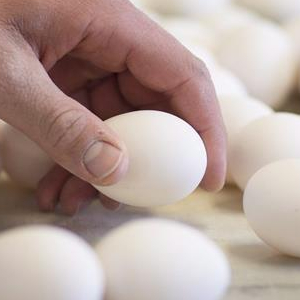
There’s a cracking-good debate raging in the kitchens of the land – the whole Western World, really. The vexed question of whether we should refrigerate fresh eggs has been answered. But there are other considerations involved…
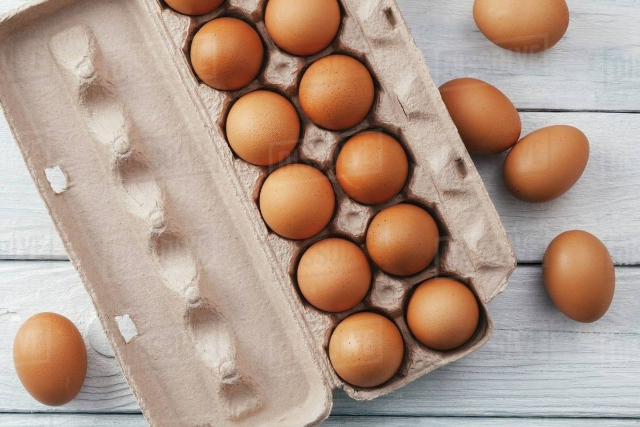
Opening a box of eggs these days can be a little like cracking the lid on Pandora’s legendary treasure chest. The act may portend glee or gloom, success or failure…
No eggs-aggeration
Some folks are resorting to buying eggs wherever and whenever they can get them, these days, to ensure they don’t run out. That’s especially true of large families, and small businesses like one-off, family bakeries or restaurants.
General rules…
There’s been abiding debate about how to safely handle and store eggs for longer-than-usual peri-ods of time. The experts generally agree:
- The best container for storing eggs is the box the come in. Fibre/cardboard boxes help protect eggs from absorbing odors and moisture loss.
- Don’t wash eggs. The shells are porous, and they come with a natural protective coating. Washing can remove this coating, allowing external bacteria to penetrate to the to the albumen and yolk.
The US FDA recommends:
- Eggs may be refrigerated three to five weeks from the day they are placed in the refrigerator. The ‘Sell-By’ date will usually expire during that length of time, but the eggs will be perfectly safe to use.
- Always purchase eggs before the ‘Sell-By’ or ‘Exp’ (expiration) date on the carton.
- After hard-cooking, eggs can be stored a week in the refrigerator.
When refrigerating eggs:
- But once you have chilled them, don’t leave any extras out for more than 2 hours.
- The fridge door is actually the worst place to store eggs, even though fridge manufacturers always locate dedicated egg storage trays or cabinets in the door. Folks are always opening and closing the fridge door.
- Temperature fluctuation can be at least as detrimental to preserving the freshness and whole-someness of eggs long-term as storage at consistently too-high temperatures.
- The ideal temperature at which to store eggs is 40 F / 4.4 C.
- Don’t let eggs freeze (for obvious reasons).
- Do allow refrigerated eggs to warm to room temperature before cooking with them. This an important step many cooks overlook – or never knew in the first place.
My take
There’s no reason to ‘lose’ eggs to spoilage as long as you follow the FDA recommendations and General Rules enumerataed above.
But do keep in mind, the faster you use eggs, the fresher they’ll be, and the more successful your egg-cooking results will be.
And don’t hoard eggs. It’s just not fair to those who come after you in line, who might not get any if you take too many!
~ Maggie J.