
The latest US lawsuits against Junk Food makers involve a new angle on the phenomenon. Class act-ions have been filed against several snack and beverage makers, alleging their ‘sugar-free’ UPF label claims may be fraudulent…
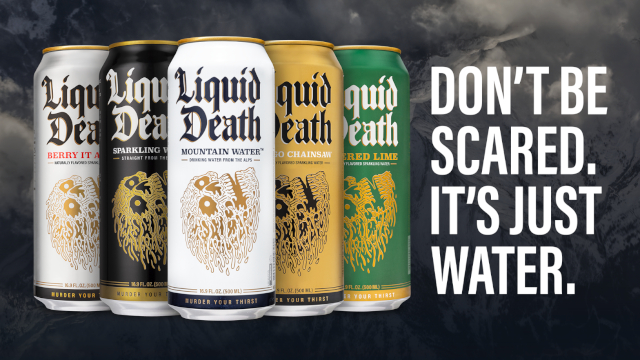 Some flavours are sweetened with allulose – billed as a sugar substitute…
This time it’s not trademark infringement or hot coffee burns, or deceptive advertising claims. It’s actually a fraud case involving the billing of ingredients on the label…
Defining ‘sugar’
Here we go…
There are folks in this world who still believe that anything sweet is sugar, or contains the stuff. They’re talking about cane sugar, the kind we use every day, in crystalized or powdered form, in our beverages, baked goods and other culinary applications.
But any organic chemist will tell you, there are many different ‘sugars’ out there. And they all have their own specific characteristics – notably variable Calorie, sweetness and flavour profiles.
A quick Google search reveals there are no fewer than 7 types of sugar we encounter in our daily diets:
- Sucrose: Table sugar, made of glucose and fructose.
- Glucose: A simple sugar that the body uses directly for energy.
- Fructose: A simple sugar found in fruits, also called fruit sugar.
- Lactose: Milk sugar, composed of glucose and galactose.
- Galactose: A simple sugar that combines with glucose to make lactose.
- Maltose: Malt sugar, produced from grains.
- Dextrose: Corn sugar, a form of glucose derived from corn.
But that’s only part of the story…
Check the label
A UPF items’ ingredient lists declare all sugars in the product. But sometimes, manufacturers try to downplay or hide the sugar they use.
Chemists warn that any food ingredient name ending ‘-ose’ is almost certainly a sugar, regardless of its individual characteristics. And that’s where the current lawsuits against junk food makers come in.
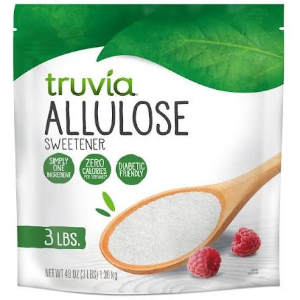
At the centre of the current dispute is a sweet substance called allulose – chemically defined as a sugar, though some UPF makers claim it’s not. And they use it freely as a ‘sugar substitute’ in their products. The lawsuit plaintiffs and others claim allulose is a sugar, even though it doesn’t appear on the ‘standard’ list of sugars found in processed foods. And, therefore, the ‘sugar-free’ and ‘zero sugar’ claims of UPF makers such as energy drink purveyor Liquid Death, and yogurt giant Chobani are false and misleading, at the very least.
What it is…
“Allulose is a rare, naturally occurring monosaccharide [simple sugar] that provides the taste and texture of table sugar with a fraction of the calories and no impact on blood sugar,” HealthLine states.
The Cleveland Clinic explains, it tastes like real sugar (sucrose), but has fewer calories and does not cause dental problems such as cavities. Perhaps most significantly, allulose does not elevate blood sugar levels. But all the authorities we consulted agreed, allulose is, in fact – by clinical, chemical and technical definitions – a sugar.
A grey area…
Alas, for both the UPF makers and the lawsuit bringers, allulose exists in a sort of limbo between ‘sugars’ and sugars. A grey area which results in even such lofty and respected health-issue resources as the Cleveland Clinic website referring to allulose as both a sugar and a ‘sugar substitute’ in the same article.
My take
Regardless of who wins the current round of ‘sugar-free’ lawsuits, the most import6ant result of the litigation will undoubtedly be a firm, clear definition of what is a sugar, for food ingredient list purposes…
~ Maggie J.