
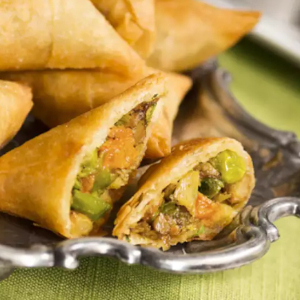
If you have Islamic friends or associates, you’ll want to know at least the basics about the holiest time of the Islamic year: Ramadan. We’re right in the middle of this year’s 29-day observance, in which fasting and feasting play leading roles…
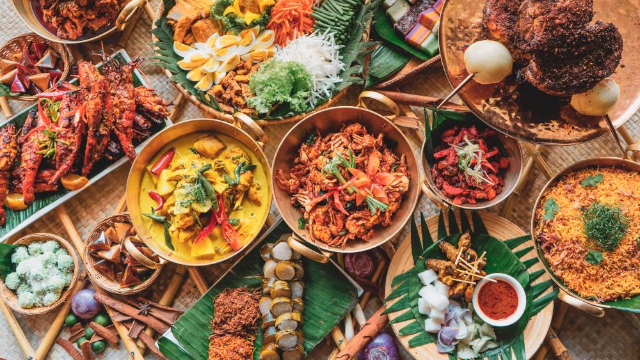 A sumptuous Ramadan Iftar buffet: Might include dozens
of different dishes for a major community feast!
Ramadan is the ninth month of the Islamic calendar, and runs from the sighting of one crescent moon to the sighting of the next. It is regarded as one of the 5 Pillars of the Faith…
A month of ‘renewal’
Ramadan involves daily communal prayer (salah), reflection, study of the Quran and community. It is, in fact, believed to be the month in which the Quran was revealed to the prophet Muhammad.
Central to the observance of Ramadan is the daily schedule of fasting and feasting of fasting (sawm), which coincides with the cycle of day and night.
During the hours between sun-up and sundown, observers take part in religious activities. And fast-ing is strictly dictated by fatawa (the highest level of Islamic religious mandate).
From iftar to suhur
Daily fasting is required. At sundown, a ritual supper, iftar, is served. And the restrictions that pre-vailed through the previous day are relaxed, somewhat. Before dawn the next day, another special meal, suhur, is served. Nothing more may be be consumed until the following iftar.
The menus of the daily iftar and suhur feasts are vast, and vary depending on where in the world the Ramadan observer lives…
Iftar is traditionally a communal, or at least an extended family meal highlighted by the ritual con-sumption of three dates by each participant, in emulation of the Prophet, who it’s believed broke his fast with such an ‘appetizer’.
Tremendous variety…
The actual traditional and prescribed foods vary with each specific Islamic culture in which it is practiced. For example, “In South Asia, fried snacks are popular; in the Middle East, large communal tables represent generosity; and in colder climates like Turkey, hearty soups are preferred,” Wikipedia relates.
“Despite obstacles like poverty or conflict in some places, iftar remains a powerful symbol of gra-titude, reflection, and connection for Muslims worldwide.”
All Muslims believe that feeding someone iftar is a form of Sadaqah/Zakat/charity and, as such, is ‘very rewarding’.
Suhur is also a hearty, multi-course repast that must keep Ramadan observers going from sunup to sundown.
Popular festive foods…
Some of the most popular foods found on Ramadan feast tables include:
- Almond-Stuffed Dates
- Vegetable Samosas (See poto, top of page…)
- Koshari
- Roti
- Khachapuri
- Aloo Tiki
- Lamb Pilaf
- Rice Jollof
- Chicken Satay
- Goat Curry
- Vegetable Spring Rolls
- Vegetable Pakoras
- Fresh Watermelon Juice
- Turkish Coffee
What to avoid…
While all foods allowed under the Islamic rules may be eaten during Ramadan, some are best avoided – for practical rather than traditional or religious reasons:
- Fried and fatty foods, such as fried potato and samosa.
- Foods that contain high amounts of salt, such as pickles.
- Foods that contain large amounts of sugar.
- Foods that contain chocolate or any other source of caffeine.
My take
Now you know the bare basics of the food and dining rules and requirements of Ramadan…
Go forward with confidence that you may take part in the glorious feasts of the season as part of the Islamic community – without too much risk that you’ll transgress any traditions, or offend anyone!
~ Maggie J.