
Lies, I tell you! ALL LIES! But they used to be conventional wisdom. I guess it must be that all of the cardiologists the author of the post consulted were YEARS behind in their clinical journal reading. But that would mean they were a danger to their patients!
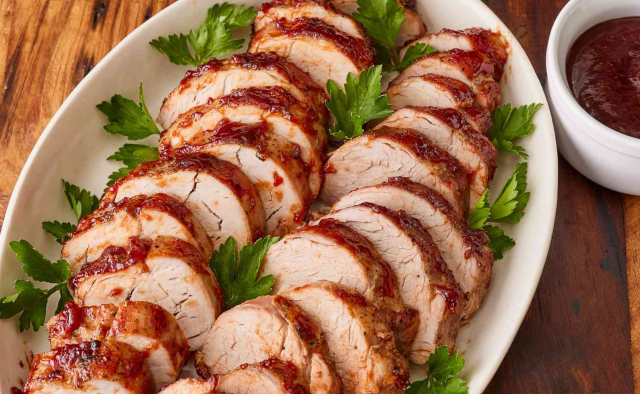 Lean, juicy, flavourful Pork Tenderloin: More nutritious than Chicken…
I found 5 foods in the slide show with that headline which are all on the ‘okay’ and even ‘good for you’ lists, now. It’s a perfect example of how dangerous online misinformation and disinformation can be…
What’s the difference?
There are several kinds of bad information you’ll run into online:
‘Misinformation‘ is false information presented as fact, but NOT intended to misinform anyone, or any organization.
‘Disinformation‘ is intentional misinformation – false information presented as fact, intended to misinform someone, or some organization.
‘Propaganda‘ is intentional disinformation – false information presented as fact, and intended to misinform someone, or some organization, without regard for harm it may cause.
And that’s why it’s a good idea to check anything you read that sounds too good to be true with a credible source before acting on it. For instance… Check any security threat notices circulating on social media with Snopes.com. Look up any medical issue at the US Department of Health and Human Services (DHHS), or Health Canada.
What’s today’s source story?
In my expert opinion, as a news reporter with 50 years experience, The source story for today’s FFB post falls into the first category – simple misinformation. No intent to deceive. No malice a fore-thought.
But it could influence your food choices and related decisions – for the worse.
Five items outdated
The headline on the source story reads: ‘Cardiologists Refuse To Eat These Foods’. That’s a load of bull. Specifically, in 5 cases where the story got it 180 degrees wrong.
I offer an analysis of 5 entries on the list which have been vindicated of unhealthy reputations by recent peer-reviewed, learned, university research.
Pickles
Pickles briefly got a lot of bad press sometime back, for their high levels picking salt. That compound contains not only regular salt, but nitrites, which have been found to be one of unhealthiest compon-ents of UPFs – specifically in cured meats. But more recently, all fermented foods have received a ‘healthy’ seal of approval. Nevertheless, the standing rule applies: All things in moderation.
Pork
Pork used to be billed, by the producers, as ‘The Other White Meat’ (the first one being chicken). But it was roundly condemned as high in fat and lower than chicken in nutritive value. Science has prov-en that’s just disinformation promulgated by the chicken industry to convince people not to try pork. As chops, roasts, loins, or ground meat in meatballs or meatloaf, it’s more healthy, gram for gram, than chicken. And it’s no fattier, if you let the fat cap on a roast or chops render off. Better yet, pay a little more and buy ‘lean’ Pork products.
The flavour is bolder and earthier than chicken. But that’s a bonus in many applications!
Butter
Butter was long thought to be a high-fat, high cholesterol food unsuitable – for heart patients, partic-ularly. But two recent discoveries have turned that negative attitude on its head. First, scientists found that the fat in butter is more ‘good’ than ‘bad’. And another landmark study absolved all high-cholesterol foods of responsibility for high blood cholesterol levels, finding that dietary cholesterol does not directly relate to serum cholesterol.
Eggs
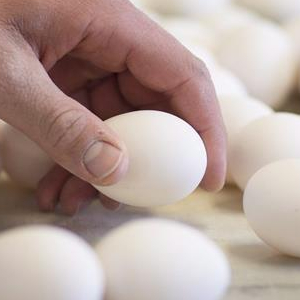
Eggs were in the same doghouse as butter, for just as long a time. But, like butter, the ‘dangerous’ reputation of eggs has recently been rehabilitated. Those at the epicentre of the discoveries about eggs say an egg a day is better for you than no eggs at5 all. You can consume a dozen eggs (or more) per week with no ill effects. And a story that surfaced in just the past week reveals that older folks who eat eggs regularly face a significantly reduced risk of developing late-onset Alzheimer’s.
Olives
Olives used to be considered one of the most unhealthy foods you could eat. High in fat, in partic-ular. Now science has discovered that Olive Oil, specifically, is one of the most nutritious and healthful foods you can eat. That just confirmed the beliefs of Italian and Spanish folks who had been drinking a shot or two of Olive Oil every day for generations – and live to ripe old ages.
My take
As I said earlier… This is a prime example of how bad lazy, poorly trained or just plain clueless online ‘journalists’ can mess up a story. And the results of their carelessness can radiate, like ripples on a pond, to all corners of the online community…
~ Maggie J.