Bet you hadn’t considered this angle on GLP-1 weight-loss meds… Junk Food makers around the world are suffering sales slumps because the tens of millions of folks taking GLP-1 meds for weight loss are just not eating as much as they used to!
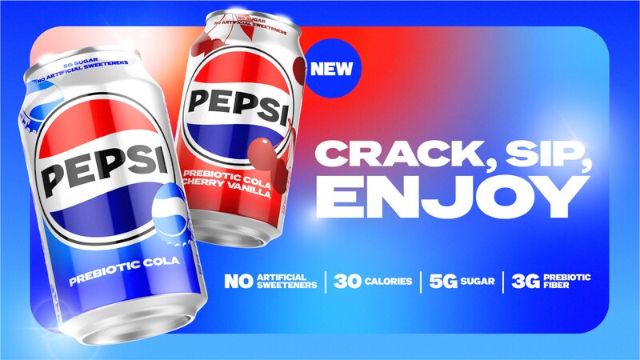 Pepsi is adding all sorts of things to its beverages to make them more attractive to folks
who want healthier snacks. These new additions to the flagship brand
contain prebiotic ingredients. But Pepsi doesn’t explain
why prebiotics are a benefit to soda drinkers…
It makes perfect sense. If an estimated 30 million adults in the US alone are taking Ozempic and Wegovy for weight loss, and many more are taking it primarily for control of Type 2 Diabetes, a lot of supermarket customers are experiencing reduced appetites. And they’re not as susceptible as they used to be to the temptations of junk food ads, and all the other tricks the food retailers use to get you to buy more than you need, or stuff you don’t need at all…
The GLP-1 situation
A new Gallup Poll revealed that that 11 percent of American adults are taking drugs such as Ozempic and Wegovy for weight loss. That’s up from just 3 percent in 2024!
With an estimated 137 million Americans – more than half – eligible for the drugs, usage us expected to continue skyrocketing for he foreseeable future. Keeping in mind, that 75+ percent of Americans are overweight or obese.
On another front, the ban on use of SNAP food relief credits to buy junk food has resulted in a 12 percent decrease in the sales of sugary drinks, alone.
And the younger generations are clamoring for healthier foods across the board.
The State of Till
A new business brand valuation report by consulting firm Brand Finance says that the world’s top 100 food brands total a staggering $278 billion in value. And roughly a quarter of that is at risk from the effects of GLP-1s.
What’s worse, an upheaval of unprecedented proportions is already in play.
Cases in point…
It should come as no surprise that Junk Food makers are at the top of the risk list for business erosion due to the effects of GLP-1 meds.
Pepsi and Lay’s have been in the forefront of the ‘snacking revolution’ as some observers are calling it. That’s the abrupt downturn in sales of salty and sugary foods over the past 2 years or so.
According to Brand Finance, Lay’s is the most exposed brand, globally, with the report finding $6.8 billion of its $15.1 billion brand value at risk. PepsiCo’s five major snack brands collectively have $14.1 billion in exposure, the consultancy determined.
What’s happening?
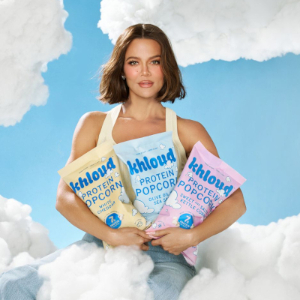
One result of the dive in sales of traditional snacks is that sugary drink makers are diversifying more into salty snacks. And they’re trying to convince consumers their fizzy drinks are getting healthier. To accomplish this apparently impossible task, they’re buying into the protein and fibre crazes, adding all kinds of other ‘functional’ ingredients to their wares. They’re also acquiring other beverage brands in the energy drink, hydration and sports drink sectors.
Lays and other brands are adding functionals to their snacks, as well. And they’re already behind the wave in the sense that other start-up brands have already made their names familiar and dominant in the ‘healthy’ snacks space. To their chagrin, I’m sure, the established snack giants like Lay’s not only have to offer ‘healthier’ products – they also have to overcome their longstanding image among consumers as purveyors of ‘Junk food’.
My take
As I mentioned above, the ‘snacking revolution’ is already in full swing. Suffering mega-brands are struggling to keep up with sagging sales within an ever more-intense competitive atmosphere in an overcrowded and confused marketplace.
The biggest problem I see from the consumer standpoint is, many of the changes they’re making to their products are either dietarily redundant (like adding protein), or cancelled out by the ‘bad’ ingredients that remain in their recipes.
It will be fascinating to follow the ‘snacking revolution’ over the next few years…
~ Maggie J.