You can probably order a Coca-Cola anywhere you go on Earth. But did you now there are regional sodas that challenge and sometimes beat Coke in the estimation of local consumers? We’ve gathered just a few, for your edification and amusement…
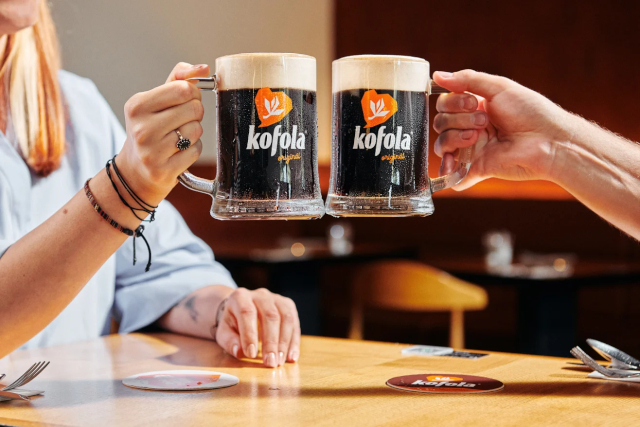 Kofla Cola: Coke beater and most popular brand in its homeland, the Chech Republic,
Kofla was originally invented to provide a viable alternative to capitalist colas…
Some maintain that the invasion’ started with the mass exportation of Coke to American enlisted personnel overseas during the Second World War. Like M&M’s, the taste of home was ordered, ‘from the top’, to be available to enlisted men and women at all times, wherever they were stationed. It was a morale-boosting powerhouse.
They’re everywhere…
There are only three countries in the world where you can’t get a Coke: Cuba, North Korea and, since 2022, Russia.
Everywhere else, Coke is an unofficial ambassador for the US, standing for America’s culture, com-merce and power. And in many overseas locales, you can see evidence of the local cultures standing up to the Big Brother US presence. They do that by launching their own cola drinks in defiance of the American mega-brand’s undisputed dominance.
Feed the cravings…
The cola cravings triggered by Atlanta pharmacist John Stith Pemberton, when he selling his original Coke fountain syrup in 1886, have triggered the same inspiration in local entrepreneurs around the world. They have been quick to recognise the opportunity a cola brand represented. And have been aggressive in producing fizzy beverages that are even more dramatically attuned to local tastes than the ‘adjustments’ Coke makes in different markets.
Here we go…
“Often, the successful ones end up owned or part-owned by The Coca-Cola Company — such as Thums Up cola in India and Inca Kola in Peru, CNN notes. “But there are eight indie colas around the world that fizz and froth like a classic cola but pour something very different” And lead their markets!
Kofola
This Czechia favourite is described as, “a secret recipe of 14 herbal and fruit extracts, plus caffeine, created during the Cold War in then Czechoslovakia.” The idea was to create a purely Czechoslovak drink to compete with cola drinks from the capitalist West.
Cockta
Not to be outdone, Slovenia has it’s own Coke challenger: Cockta. It, too, was a Cold War attempt, by Emerik Zelinka, professor of chemistry at the University of Ljubljana, to create a totally Yugoslavian Cola. Since the Fall of the Soviet Union, the brand has found fans in 18 countries, including the US.
Ojaja Cola
This one’s a Nigerian native, launched only in February of this year, under the personal guidance of the country’s political and spiritual leader, His Imperial Majesty Ooni Adeyeye Enitan Ogunwusi Ojaja II, the 51st Ooni of Ife, and spiritual leader of the Yoruba people. The brew prides itself on using all-Nigerian ingredients – including real Kola nuts!
Toba Toba Ccola
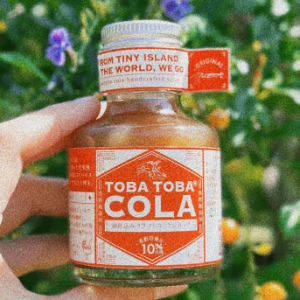
This Japanese Coke challenger has a huge home market, but is nonetheless becoming known outside the island nation. Toba Toba distinguishes itself be blending the flavour of real Kola nuts with Kikai-jima Island’s unique shiiku citrus fruit, raw brown sugar, and a blend of 14 spices.
It’s a syrup like Pem-berton’s original Coke product. Just add fizzy water and enjoy. Or mix it into milk, tea, wine, beer or whisky. The name means ‘excited’, ‘uplifted’, or ‘joyful’ in the Kikaijima dialect of the Japanese language…
My take
The forgoing are just the top 4 international contenders who have challenged Coke, Pepsi and other American fizzy bevs on their home turf and survived – even thrived – to tell the tale.
Incidently, In the midst of Trump tarrif wars, and with the removal of US booze from Canadian liquor store shelves… I was proud to see that my Home and Native Land has its own Coke challenger: Brio Chinotto.
The drink was launched in Toronto, in 1930, by Italian immigrants, to assuage their homesickness for familiar flavours. It’s one of many Brio brand recreational drinks, named after the Chinotto fruit from the inventors’ Italian homeplace.
So remember… Anywhere the Cola Craving exists, there’s always room for something new and local… And the cola Craving is everywhere!
~ Maggie J.