
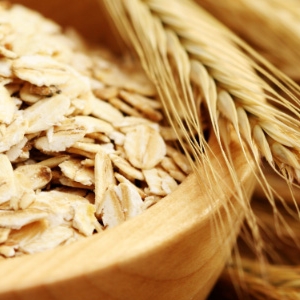
I know this sounds too good to be true. And it is – if you take into account the logistics involved. More about that later… But a study carried out at a respected German university showed that 2 days on an oat-based diet produced benefits still detectable 6 weeks later!
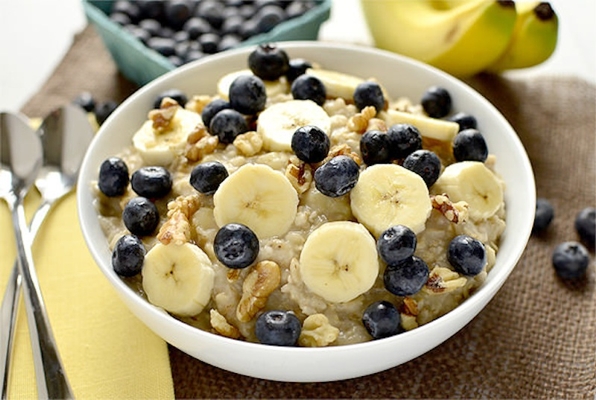
“Eating nothing but oatmeal for just two days might sound extreme, but it delivered a striking payoff in a new clinical trial,” an abstract of the study begins. “Even more surprising, the cholesterol bene-fits were still visible six weeks later.”
What they did
Participants ate boiled oatmeal three times daily and could only add small amounts of fruit or vege-tables. In total, 32 women and men completed the two-day oat based intervention. Each person consumed 300 grams of oatmeal per day and cut their usual calorie intake roughly in half. The con-trol group also reduced calories but did not consume oats.
What they found
Both groups experienced some benefits from eating fewer calories. However, the improvements were stronger among those who ate oats.
“The level of particularly harmful LDL cholesterol fell by 10 percent for them – that is a substantial reduction, although not entirely comparable to the effect of modern medications,” stresses Marie-Christine Simon, junior professor at the Institute of Nutritional and Food Science at the University of Bonn. “They also lost two kilos in weight on average and their blood pressure fell slightly.”
The benefits were strongest when oats were consumed in high amounts alongside calorie restriction. In a separate six-week phase, participants ate 80 grams of oatmeal per day without additional diet limits. That approach produced only modest beneficial changes.
The takeaway
The cholesterol lowering effects were still visible six weeks after the two-day intervention. “A short-term oat-based diet at regular intervals could be a well-tolerated way to keep the cholesterol level within the normal range and prevent diabetes,” Simon speculates.
“As a next step, it [should] now be clarified whether an intensive oat-based diet repeated every six weeks actually has a permanently preventative effect,” Simon adds.
My take
It seems too good to be true… How something so simple, rooted in old ways and legacy foods, could have such a marked beneficial effect on core health markers.
But the science is solid. And the Bonn experiment revealed reasons why intensive oatmeal con-sumption does what it does.
But what’s more amazing is, it took researchers so long to discover this seemingly ‘miracle’ process, which was right under their noses! Like me trying to sign in to my new online banking account re-cently. I thought i was tech-savvy enough to ‘wing’ it. But by not reading the instructions, I missed one simple but crucial step in the process. And wasted half a day trying everything I could think of, and sitting on hold for tech support for 42 minutes…
The morals to today’s story: Don’t overlook the obvious… And eat more oatmeal!
~ Maggie J.