

Gene-edited food was in the spotlight this past week. Proving the trend is here to stay, in spite of what some critics and popular alarmists claim. CRISPR technology is saving the Banana and making Peanuts safer…
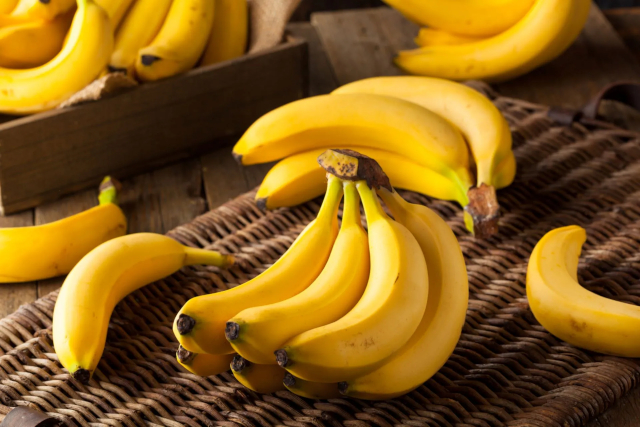 The new Tropic Banana is the first step offers benefits
to growers, shippers, retailers and consumers…
There remains a cadre of crusaders out there who claim gene-edited foods are harmful – maybe even downright dangerous. And, in spite of no real evidence to support their position, they continue to protest the use of CRISPR technology to modify plants and animals…
Pros outweigh cons
But the potential benefits of gene editing far outweigh any foreseeable negatives. And scientists – both at universities and in innovative private companies are forging ahead with applications.
The super banana
Researchers have developed a new banana that not only better withstands the diseases plaguing the conventional Cavendish, but stay fresher longer after picking. It offers shippers and retailers at least 10 days more ‘safe’ time between picking and the appearance of the first brown spots. And it stays firm and white up to 12 hours after it’s peeled and sliced.
The super peanut
This new development is the first step toward a truly allergy-free peanut. And that would be a huge advance for agriculture and medicine. Gene editing has allowed scientists to remove the main pro-tein components of peanuts that trigger potentially deadly reactions in millions around the world.
Alas, allergy experts point out that there are other compounds in peanuts that can trigger allergic reactions. And the new peanut variety doesn’t address that danger. But the door has been opened to a future in which everybody can enjoy peanuts. And Research continues apace.
My take
There are many other issues that can be addressed using CRISPR technology – including creating disease-resistant coffee, tea and coca plants. But the most important potential applications involve modifying essential food crops to better withstand the ravages of climate change and produce greater yields…
My questions to you:
Do you support gene editing to address agricultural and medical issues?
If not…
Do you believe gene editing is inherently dangerous?
Do you believe we need to learn more about gene editing before we allow its widespread implementation?
Do you believe gene-edited foods should undergo more strenuous and detailed testing than new strains developed by tradition crossbreeding techniques?
Do you believe we should at least err on the side of caution?
And with all that said…
Do you believe gene-edited foods should be clearly labelled as such so those who object can avoid them?
Muse on that!
~ Maggie J.