
The jury remains out on artificial sweeteners as replacements for sugar. They may, in fact, be non-nutritive. But they may have drawbacks still unknown or poorly understood by us. Witness the latest study on fizzy pop sweetener Sucralose…
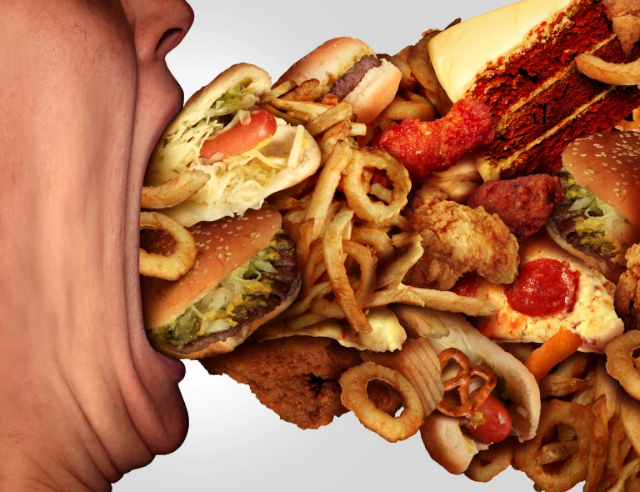 Artificially-sweetened soda can actually increase our
appetitie, rather than reduce cravings…
What it is…
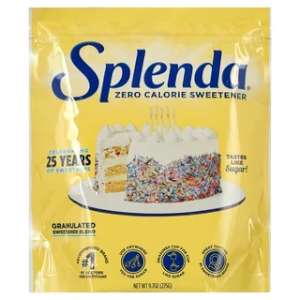
In the United States, Sucralose is a key ingredient in some Splenda sugar substitutes. In Europe, sucralose is known as E955 and is found in sugar substitutes sold under the brand names Candys, Canderel Yellow, Cukren, Nevella, Splenda, SucraPlus, Sukrana and Zerocal.
Sucralose came to the market in Processedfoodland very late in the game. But it made a resounding splash when it did. The sweetener is 600 times stronger than table sugar, and was immediately ac-claimed as the latest and best solution to the problem of sweet sodas contributing excess sugar to our diets.
But no one was counting on it having unintended, unsuspected consequences. And a newly dis-covered one could pretty much scuttle the Sucralose ship if confirmed by corroborating ‘further experiments’…
Blinders on…
Scientists – particularly those announcing new discoveries – are always careful to caution that ‘further experimentation will be needed to confirm their findings’. It’s all about protecting their professional reputations – and not wanting to be told, “We told you so!”
Situations like the Sucralose ‘scandal’ arise when blinders-on researchers look only at one or two factors in their experiments. Then get thrown on their theses by left-field issues.
Knew something was wrong…
… When study after study seemed to show that many different artificial sweeteners were totally successful in reducing or eliminating free i.e.- excess’) sugars from the products they were used in. But the studies also showed, conclusively and consistently that folks who drank Sucralose-sweetened soda Didin’t lose weight as a result.
In fact, CNN reported way back in 2023 that, “a growing body of evidence has increasingly linked diet sodas and other no- or low-calorie foods with weight gain — so much so that the World Health Organization issued an advisory in May 2023 saying not to use sugar substitutes for weight loss.”
“Replacing free sugars with non-sugar sweeteners does not help people control their weight long-term,” Dr. Francesco Branca, director of WHO’s department of nutrition and food safety, said at the time.
So what’s going on?
A research team led by Dr Katie Page, an associate professor of medicine and pediatrics and Director of the Diabetes and Obesity Research Institute at the University of Southern California’s Keck School of Medicine in Los Angeles, has demonstrated that consuming Sucralose actually increased hunger cravings by 17 percent.
‘“Sucralose activates the area in the brain that regulates hunger,” Page explains. “And that activation, in turn, is linked to greater [subjective] ratings of hunger.”
Page says her team also found connections to other parts of the brain responsible for controlling motivation.
“Sucralose appears to affect your decision-making skills,” Page says. “For example, we found in–creased brain connectivity between the hypothalamus and the anterior cingulate cortex, which controls the risks and rewards of a decision.”
Gaslighting, deception, misdirection…
Third-party experts agree that the Page study is ‘very strong’, and that its results can be trusted. But the sweetener industry still insists Sucralose – and other artificial sweeteners – are not only safe to use but effective in helping folks lose and control weight.
“Low- or zero-calorie sweeteners like sucralose are [still] recommended by healthcare professionals, food safety experts and credible health organizations for diabetes and weight management based on trusted scientific research,” an unnamed spokesperson for Heartland Food Products Group, which manufactures Splenda, told CNN in a statement, when asked for comment.
The spokesperson also insisted existing research showed, “the impact of low- or zero-calorie sweet-eners on body weight is similar to that of water, and that sweet-tasting products have decreased the want for additional sweets while also helping people manage weight, reduce intake of calories from added sugars, and manage blood sugar levels.”
All of which ignores the study we’re talking about today, and totally avoids commenting on it. And you thought politicians were the kings of gaslighting, deception, misdirection!
My take
But the spokesperson – and Heartland by association – actually add weight to the study’s findings by tap-dancing around the question of whether artificial sweeteners can increase appetite. One would think they would showcase any evidence contrary to what the researchers present – if they had it.
So, for now, we can assume the researchers have the artificial sweetener industry cornered. At least for the moment. It’s only fair to wait and see what the industry will do, to try to get out of what is clearly a tight spot…
~ Maggie J.