
In the snack sector, Frito-Lays rules the roost. So… When the Pepsi-owned brand or it’s sisters show signs of distress, folks sit up and take notice. Now, Lays is closing a 55-year-old chip plant plant in CA…
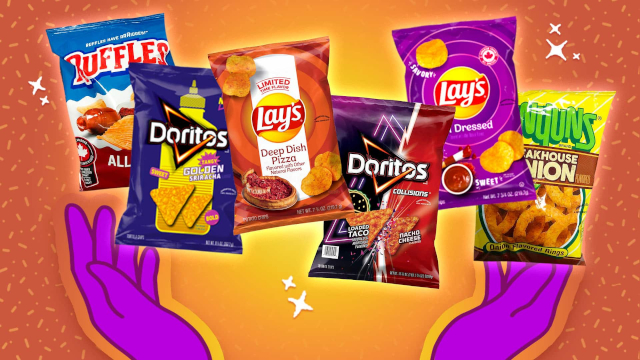
And, sure enough, that heretofore unheralded development is causing waves of worry to waft across the salty snackscape…
So goes the world…
Snack makers – particularly those who capitalize on salty, crunchy indulgences – are constantly watching Frito-Lay and their sister brands, Cheetos, Ruffles, Doritos, and Tostitos for any signs of change in their business models. Flavour additions or deletions, packaging shifts, crossovers and strategic alliances. You name it. As Lay’s goes, so goes their world.
Do when Lay’s closes one of its flagship plants, in snack-crazy California, the snack community comes alive with chatter and speculation.
General upheaval
This 55-year-old plant in Rancho Cucamonga, California, which employs 480, is just the latest plant closure by a food giant. And it comes amid a general pullback in consumer spending that’s hitting products generally funded by so-called ‘disposable income’.
In another context, snacks are called ‘non-essentials’, and they’re commonly first to be cut when consumers’ cash gets short.
No specific details
The company did not go into great detail in the statement announcing its decision, earlier this week. But did emphasize that other functions will continue to operate as usual out of the location.
“We are committed to supporting those impacted through this transition and we are offering pay and benefits to impacted employees,” PepsiCo Foods said in a statement.” Which indicates that the reasons for the closure do not constitute any kind of corporate ’emergency’.
And it’s worth noting that lays did allude to the fact that its other 30+ manufacturing facilities across the US are mainly newer, and equipped with more efficient and up-to-date technology than the one that’s closing.
More than just rumblings in Snackland
But clearly, recent-quarter sales declines are causing more than concerns. Such actions as plant closures which a company like Lay’s attributes to general market trends such as ‘falling revenues and product volumes’ have to be looked upon as signs of greater economic upheaval – or overall weakness. And that’s a concern to all players in an economy.
Paralell developments
Parallel developments in the soft drink sector recently have triggered even more, higher-profile changes there. In fact, Pepsi soda division plans already made public include a massive move away fro strictly recreational beverages toward what the industry calls ‘functional’ product. In Pepsi’s case, that so far has meant soda brands fortified with ingredients such as pro-biotics, which are designed to address consumer health and wellness.
Perhaps the most visible of these moves is the recent acquisition by Pepsi of upstart, aggressive Poppi brand pre-biotic beverages for a whopping $2 billion. Not an insignificant commitment to the ‘functional’ sector!
In fact, Pepsi admits it’s been struggling to develop its own functional bevs brand for a couple of years, now, with little success. At least on its surface the Poppi acquisition appears to be an indication that Pepsi got to a point where it said, “Enough is enough! We can’t wait any longer to get into the new market space. We have to buy a viable, already-established player and concentrate on moving forward.”
Thus does Pepsi appear have jumped the cue and moved to the head of the emerging pro-biotic line.
Other issues linger
One reason Pepsi has been making such aggressive moves out at the cutting edge of its industry is that its attempts to turn around recent losses in its conventional business have been largely unsuccessful. One development must have been particularly troubling: the loss last year of second place in the eternal, international soft drink rankings to Dr. Pepper.
That was when Pepsi CFO Jamie Caulfield, PepsiCo’s CFO, started referring openly to Frito-Lay’s ‘subdued performance‘ and talking about the company having, “…clear plans to continue to turn the business around,” which he admitted would, “take a little while.”
My take
Where the soda and snacks sectors end up, and what they will look like when the current flux solidifies again, remains to be seen. Big changes have been put in motion by the major snack and soda sectorplayers. But consumer response is still in its very early, inconclusive stages.
We’ll definitely keep our eyes on developments there into the future…
~ Maggie J.