
It’s a simple theory, and it certainly makes sense from the common sense perspective. A new study shows those who eat poorly feel poorly – emotionally. The science behind the research also links anxiety and depression to physical causes…
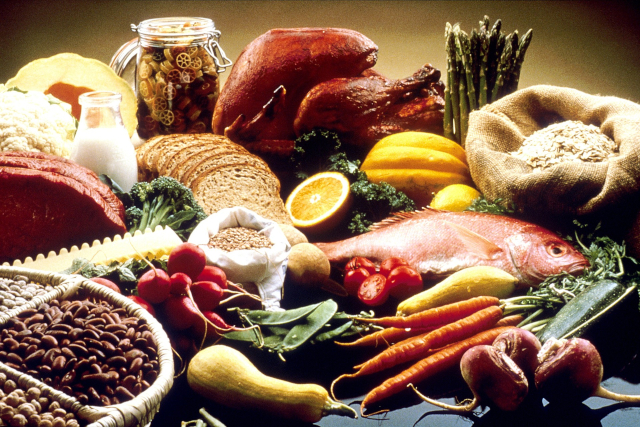 The Galician-Atlantic Diet: An optimized version of the vaunted
Mediterranean eating regimen. The recommended diet to
follow for optimal health – and emotional well being!
Serious issues
Anxiety and depression are serious and growing issues in the world today. There are many confirmed and probable causes for this rise of emotional insecurity. But most of those already identified have been social or psychological in nature. Now, new research has revealed a biological trigger for ‘down’ emotions. And it’s squarely in the food and nutrition sphere.
What they did
A tri-university study by researchers at colleges in the UK and The Netherlands wanted to determine if differences in nutrition could trigger changes in emotional responses.
They were particularly interested in the effects of two neurotransmitters on specific emotional conditions. They postulated a connection between reduced gamma aminobutyric acid (GABA) and elevated glutamate, and reduced grey matter volume in the frontal area of their brain traditionally associated with emotions.
Researchers compared brain scans of subjects who followed, “a poor diet, versus those who adhere to a Mediterranean style diet, which is considered very healthy.”
What they found
Scans confirmed what the researchers suspected. Those who followed a poor diet had a reduced population of crucial neurons in the frontal area of the brain, “associated with rumination, a part of the diagnostic criteria for conditions affecting mental health, such as depression and anxiety.”
In stating their conclusions, the team also noted that 60 percent of the average American’s diet now consists of processed or ultraprocessed foods. Highlighting the fact that their simple findings are actually a big deal.
The takeaway
Th study’s findings could help explain the association we’ve all experienced between what we eat, and how we feel.
Team member Dr. Piril Hepsomali, of the University of Reading, proclaims: “We can eat ourselves well! Ultimately, we see that people who have an unhealthy diet – high in sugar and saturated fat – have imbalanced excit-atory and inhibitory neurotransmission, as well as reduced volume of grey matter in the frontal part of the brain. This part of the brain is involved in mental health issues such as depression and anxiety.”
My take
Makes sense to me. And I can definitely confirm, from my own experience, that eating junk food can not only result in a ‘down’ demeanor but can also affect sleep and decision-making.
More fundamentally… How often have you had the ‘hangrys’? It’s clear that your body sends you negative emotional signals when it needs fuelling. Not just ‘clinical’ signs telling you it’s time to eat!
~ Maggie J.