
Previous learned studies have confirmed that eating late at might can disrupt your sleep. But new science suggests that cutting out the bedtime nibble can benefit your cardio and metabolic health. What’s the best time to stop eating at night?
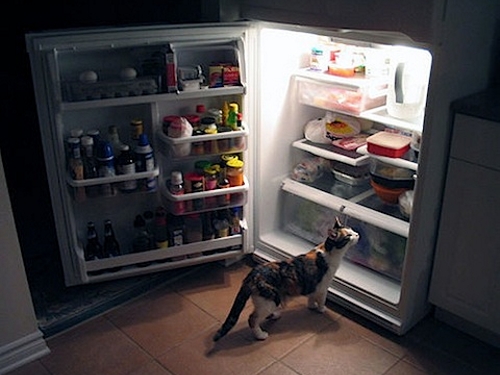
… And banish the midnight snack. If you thought 3 am indigestion was bad, wait until you hear what a research team from Northwestern Medicine (NM) discovered when they looked deeper into the clinic-al effects of late-night eating…
‘When’ just as important as ‘what’
When you eat is just as important as what you eat, according to a new study by NM scientists pub-lished recently in the journal Arteriosclerosis, Thrombosis, and Vascular Biology.
What they did
The study report abstract tells us 39 overweight/obese participants (aged 36 – 75 years) were split into two groups. One group followed an overnight fasting schedule that prescribed a longer period without eating. They were simply told to stop eating three hours before they turned the lights out. Members of the other group continued to follow their usual eating and sleeping routine.
Both groups followed their accustomed diets. Calorie intake for each individual was not regulated during the study period.
Participants followed their assigned routines for 7.5 weeks.
What they found
Members of the group that cut out late-night and midnight snacks showed significantly lower blood pressure and lower heart rates during sleep. Their blood pressure dropped by 3.5 percent, and their heart rate decreased by 5 percent, both of which are, “important signs of cardiovascular health.”
They also showed improvements in daytime blood sugar regulation.
The takeaway
“Timing our fasting window to work with the body’s natural wake-sleep rhythms can improve the coordination between the heart, metabolism and sleep, all of which work together to protect cardiovascular health,” study first author Dr. Daniela Grimaldi said in a news release.
“It’s not only how much and what you eat, but also when you eat relative to sleep that is important for the physiological benefits of time-restricted eating,” corresponding author Dr. Phyllis Zee added.
My take
So… If you resist the urge to eat before bed, and deep-six the midnight snack, you’ll not only sleep better, but you’ll be doing your cardio health a favour. And you may lower your risk of developing type 2 diabetes.
No drugs, no special diets, no prescribed exercise. Just stop eating three hours before bedtime. You can start today!
~ Maggie J.