

Last Week, we talked about a study that showed eating UPFs can increase your cardio disease risk by almost 50 percent. Now, another, similar study ups that number by 20 percent! It’s definitely time to clamp down on UPFs…
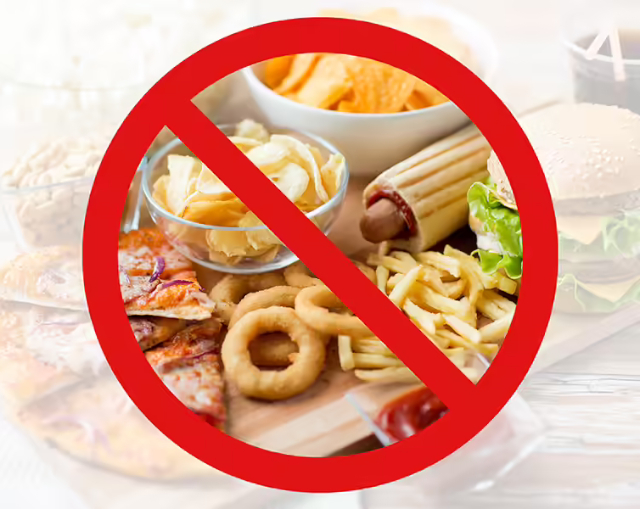
I couldn’t believe my eyes! No sooner had I penned the Sunday Musings post that ran only yesterday… Than another post, about another study on the dangers of UPFs, came roaring down the food newswire, like an ambulance with lights flashing and sirens howling…
Worse than we thought
The new post is similar to, but completely independent of the one we reported on last week. And it used a different health-records database. But the results are even more alarming.
Researchers at American College of Cardiology (ACC) data-mined heath records from 6,814 adults ages 45-84 years who did not have known heart disease at the outset of the long-term collection process.
They relied on the NOVA classification system, which sorts foods into four categories, ranging from unprocessed or minimally processed (e.g., corn on the cob) to ultra-processed (e.g., corn chips), with moderately processed foods in between (e.g., corn starch and canned corn).
What they found
“Participants with the highest intake averaged 9.3 servings of ultra-processed foods per day, while those with the lowest intake averaged 1.1 servings,” an abstract of the study report states. “Compared with the lowest group, those in the highest group had a 67 percent greater risk of dying from coronary heart disease or stroke, or experiencing non-fatal heart attacks, strokes or resuscitated cardiac arrest.”
The takeaway
“Ultra-processed foods are associated with an increased risk for heart disease, and while many of these products may seem like convenient on-the-go meal or snack options, our findings suggest they should be consumed in moderation,” said Dr Amier Haidar, a cardiology fellow at the University of Texas Health Science Center at Houston and the ACC study’s Lead Author.
But you may recall, that the spokesperson for the first study had stronger ‘recommendations’ based on his team’s findings…
“These results have major implications for future research as well as clinical care and public policy,” Dr Charles Hennekens, Senior Author of the first study said.
“Addressing UPFs isn’t just about individual choices – it’s about creating environments where the healthy option is the easy option,” he asserted. “Clinical guidance and public health education are necessary to make nutritious foods accessible and affordable for everyone.”
My take
Heart disease and stroke cause millions of hospitalizations each year and cost healthcare systems hundreds of billions of dollars to treat. In the US, particularly – where health insurance is private – millions of lower-income households are already making tough decisions about how to pay for health insurance. Surveys show many are going without insurance and ‘hoping for the best’.
The situation has reached crisis proportions. And the system is at a breaking point.
Are ‘clinical guidance and public health education’ enough to stem this international scourge?
It’s time to ban, or at least tightly regulate the manufacture and sale of UPFs!
~ Maggie J.