
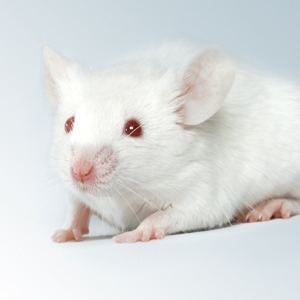
Many folks just assume their overweight or obese cousins got that way because they enjoy eating too much. New studies by researchers from the University of California suggest high-fat foods disrupt the dopamine pleasure network…
 Mike Myers’ iconic satirical take on the classic Bond-Villain
henchman – Dr. Evil’s hatchet man, Fat Bastard…
And that can cause some folks who eat too much fatty food to become desensitized to it. Which, in turn, may prompt them to eat more of it, looking for the lost sense of pleasure they associate fatty, sugary foods in the.
They just keep eating…
“A natural inclination toward junk food is not inherently bad – but losing it could further exacerbate obesity,” says Stephan Lammel, a UC Berkeley professor in the Department of Neuroscience.
“Imagine eating an amazing dessert at a great restaurant in Paris. You experience a burst of dopa-mine and happiness,” explains Neta Gazit Shimoni, a UC Berkeley postdoctoral fellow. “We found that this same feeling occurs in mice on a normal diet, but is missing in those on a high-fat diet. They may keep eating out of habit or boredom, rather than genuine enjoyment.”
What’s going on?
The loss of that pleasure ‘trigger’, which is normally activated by a hit of high-fat food, may be as-sociated with a decline in neurotensin, a brain peptide that interacts with the dopamine network.
Which would explain why folks who are used to a high-fat diet feel driven to eat more to get the same pleasure hit that folks used to a normal diet feel they need, to experience a similar degree of pleasure.
What does that mean?
“A high-fat diet changes the brain, leading to lower neurotensin levels, which in turn alters how we eat and respond to these foods,” Lammel explains. “We found a way to restore the desire for high-calorie foods, which may actually help with weight management.”
While findings in mice don’t always translate directly to humans, this discovery could open new avenues for addressing obesity by restoring food-related pleasure and breaking unhealthy eating patterns.
My take
It sounds like a classic downward-spiral situation. The more high-fat food you eat, the more it takes to trigger the pleasure feelings you’re seeking when eating high-fat foods. And it may all be the result of reduced levels of neurotensin.
And the researchers suggest, this mechanism may help explain why folks who’ve been overweight or obese tend to regain weight lost by conventional dieting or other methods, such as GLP-1 (i.e.- Ozempic-type) medications.
One way or the other – as with so many such mouse-based experiments – the researchers say it will probably take considerable further investigation to come to a clear understanding of how the neuro-tensin mechanism works, and figure out how to apply that knowledge to creating safe, reliable weight control methods…
~ Maggie J.