

World Health officials have issued an ‘urgent’ warning as the availability and consumption of Ultra-Processed Foods (UPFs) continue to soar. They say eating habits and food preferences are being warped for the worse…
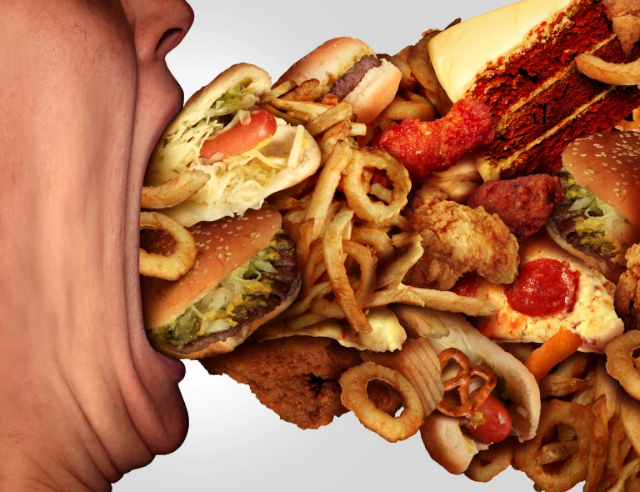
Professor Carlos Monteiro, of the University of Sao Paulo, Brazil, explains: “The growing consumption of ultra-processed foods is reshaping diets worldwide, displacing fresh and minimally processed foods and meals. This change in what people eat is fueled by powerful global corporations who generate huge profits by prioritizing ultra-processed products, supported by extensive marketing and political lobbying to stop effective public health policies to support healthy eating.”
Cautions from all corners…
A major three-paper Series in The Lancet finds that ultra-processed foods (UPFs) are rapidly replacing fresh and minimally processed meals around the world. Dozens of authors from around the world contributed to the effort.
The papers’ authors say more research on UPFs will continue to be valuable. But the current science is already strong enough to justify immediate public health action. Waiting for further studies would allow UPFs to gain an even stronger hold in global diets.
They describe UPFs as products of an industrial food system built around corporate profit rather than nutrition or sustainability. And they warn that only a united international response can counter the political influence of UPF companies
The takeaway…
Professor Camila Corvalan, of the University of Chile, Chile, adds: “Addressing this challenge requires governments to step up and introduce bold, coordinated policy action – from including markers of UPFs in front-of-package labels to restricting marketing and implementing taxes on these products to fund greater access to affordable, nutritious foods.”
My take
The authors of the Lancet Series insist that UPFs, with their universal appeal and blanket availability, remain the biggest obstacle to effective dietary policy reform.
I agree. But politicians are often loathe to stand up to major industries no0 matter how urgently new controls and regulations are needed.
Dr. Phillip Baker, of the University of Sydney, Australia, sums up: “We need a strong global public health response – like the coordinated efforts to challenge the tobacco industry. Including safeguarding policy spaces from political lobbying and building powerful coalitions to advocate for healthy, fair and sustainable food systems and stand-up to corporate power.”
~ Maggie J.