
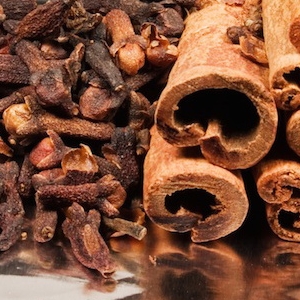
It’s rare that an ancient and everyday non-prescription substance is tagged as potentially dangerous. But drug interactions are not uncommon. Now, we’re cautioned, cinnamon may interfere metabolic processes associated with certain drugs and supplements…
 Cinnamon is one of the oldest and most beloved spices in the world, used
across many Eastern and Western cuisines, in both savoury and
sweet dishes. Such as the classic Cinnamon Rolls, above…
So common are drug-drug and drug-food interactions that every detailed information sheet shipped with every prescription medication includes a mandated section on such. Even if the message is that there are none.
Many examples…
Many folks have hypothyroidism and take a thyroid booster every day. One of the first things their pharmacist warns, before letting them out of the drugstore, is not to take iron supplements within 4 hours of taking the thyroid booster. The booster will be rendered useless.
A lot of people take ‘statin’ drugs to control their cholesterol. And it’s well known that the action of statins and other blood flow-related meds can be seriously affected by a compound found grapefruit and grapefrult juice, causing an overdose-like condition.
There are many more examples to be found among everyday foods and supplements that can interact with prescription drugs.
Our focus in this post is on a common, every-day kitchen spice which most folks would never suspect poses a potential danger in combination with certain drugs and supplements: Cinnamon.
An ancient ‘friend’
Wikipedia describes cinnamon as, “a spice obtained from the inner bark of several tree species from the genus Cinnamomum. Cinnamon is used mainly as an aromatic condiment and flavouring additive in a wide variety of cuisines, sweet and savoury dishes, biscuits, breakfast cereals, snack foods, bagels, teas, hot chocolate and traditional foods. The aroma and flavour of cinnamon derive from its essential oil and principal component, cinnamaldehyde, as well as numerous other constituents including eugenol.”
Cinnamon has been used for thousands of years as a folk medicine, mainly as a digestive aid. Alas, modern science has failed to confirm any actual therapeutic effects. Nevertheless, some holistic and traditional practitioners still ‘prescribe’ cinnamon as a health supplement or therapeutic agent.
Toxicity
There are two types of cinnamon on the market these days. The cheapest, most common kind, Cinnamomum cassia (C. cassia) can have as much as 12 times the toxic ingredient in it as C verum, or ‘true cinnamon’, found principally in Sri Lanka.
Which is why most modern jurisdictions have published recommendations governing the amount of the stuff that’s safe to ingest each day.
New evidence…
Now, however, there is emerging evidence that cinnamon in lesser doses can also be a problem, upsetting metabolic processes.
A team from the University of Mississippi (UoM) suggests that even small amounts of the spice might activate receptors that control the metabolic clearance of medication from the body. Specifically, that consuming large amounts of cinnamon could reduce the effects of a variety of drugs.
‘Large amounts’ for purposes of the current study are defined by researchers as more than you would find in single servings of foods flavoured with cinnamon, but similar to those one might take if using it as a dietary supplement or digestive aid.
C. cassia contains high levels of coumarin, a blood thinner, compared to other cinnamon varieties, the study report cautions. Ground Cassia cinnamon bark is what is normally found in grocery stores.
“In contrast, true cinnamon from Sri Lanka carries a lower risk due to its reduced coumarin content,” says Shabana Khan, of the National Center for Natural Products Research (NCNPR). “Coumarin’s anticoagulant properties can be hazardous for individuals on blood thinners.”
The takeaway
More research is needed to fully understand the role that cinnamon plays in the body and what potential herb-drug interactions may occur, Bill Gurley, a principal scientist at NCNPR and co-author of the study, continues.
“People who suffer from chronic diseases – like hypertension, diabetes, cancer, arthritis, asthma, obesity, HIV, AIDS or depression – should be cautious when using cinnamon or any other supplements,” Khan said. “Our best advice is to talk to a health care provider before using any supplements along with the prescription medicine.
My take
Clearly… It’s important to know which kind of cinnamon you’re using! Just remember: ‘Cassium’ bad, ‘Verum’ good…
~ Maggie J.