
There are still, I’m told, Americans who don’t understand President Donald Trump’s tariffs system. And whether the tariffs WILL boost US domestic food prices this summer. They’re getting their answers now…
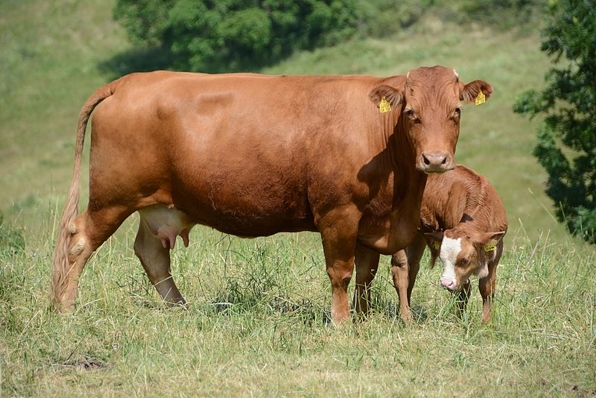 Smaller herds mean shortages, which, in turn, mean record-high prices…
Well… The first, real, solid evidence has come down the pipeline, and it’s even worse than some folks thought it would be…
On the rise, again…
The experts expected general inflation across the country to rise considerably – in spite of year-start indications that the rate might remain relatively stable, to at least remain stable, and perhaps even show some additional moderation on top of what looked like a pretty stable overall economy economy at the end of last calendar year.
According to the latest Associated Press report, based on figures from this past June, “Inflation rose last month to its highest level since February, as President Donald Trump’s sweeping tariffs push up the cost of everything from groceries and clothes to furniture and appliances.
US Labor Department official Consumer prices rose 2.7 percent in June from a year earlier, the Department said earlier this week, up from an annual increase of 2.4 percent in May. On a monthly basis, prices climbed 0.3 percent from May to June, after rising just 0.1 percent the previous month.
Meat and produce spiking…
You don’t have to look too far in the produce department at your local supermarket to see what the economists are talking about…
“For those saying we (Americans) have not seen the impact of Trump’s tariff wars, look at today’s data. Americans continue to struggle with the costs of groceries and rent — and now prices of food and appliances are rising,” Sen. Elizabeth Warren, D-Mass, said.
Trump has also threatened to slap 50 percent duties on Brazil, which would push up the cost of orange juice and coffee. Orange prices leaped 3.5 percent just from May to June. Ad they’re 3.4 percent higher than they stood a year ago, the government said Tuesday.
The Trump administration has also placed a 17 percent duty on Mexican tomatoes.
Outdoor cooks getting grilled…
Beef lovers – waiting all this past up-and-down spring – were looking for evidence of what was to come. As of the latest official US Government figures, they’ve finally got it. And it’s not great.
The average price of a pound of ground beef rose to (US)$6.12 in June, up nearly 12 percent from a year ago, according to the latest U.S. government data. The average price of all uncooked beef steaks rose 8 percent, to $11.49 per lb., over the previous month a year ago.
One reason for that, the government says, is beef demand continues high while herd sizes remain low. BBQ lovers apparently refuse to substitute cheaper pork or chicken.
One reason for continued high feed costs is that grazing grass and feedlot staples such as corn and barley remain in short supply due to several bad crop years in a row, driven largely by climate change-pushed drought. As a consequence, cattle producers are raising less beef to start with. And that means hjgher prices per cow.
Hold or sell?
In recent years cattle prices have soared, so that now relatively scarce animals are selling for thousands of dollars apiece, says David Anderson, a livestock economist at Texas A&M University. Recent prices show cattle selling for more than $230 per hundredweight, or hundred pounds, with on-the-hoof weights averaging 1,200 to 1,500 lb.
Those higher prices give ranchers more incentive to sell cows now to capture profits instead of hanging onto them for breeding given that prices in the years ahead may decrease, Anderson notes.
“For them, the balance is, ‘Do I sell that animal now and take this record high check?’ Or ‘do I keep her to realize her returns over her productive life when she’s having calves?’” Anderson said. “And so it’s this balancing act. And so far the side that’s been winning is to sell her and get the check.”
My take
The US free market for ag produce of all sorts makes it hard for Canadians to understand what’s going on down there. If you listen to US ‘experts’ and observers, the kind of retail price increases American shoppers are seeing right now for meats and produce could signal the end of an era in food choice and dietary habits.
One factor I can’t understand at all is why facing record high beef prices – Americans won’t switch to lower-priced pork and chicken. Another fundamental difference between Canadians and Americans?
~ Maggie J.