
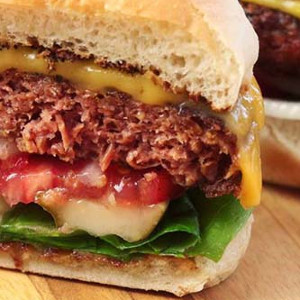
The challenges in creating plant-based substitutes for familiar animal-protein foods have, from the outset, been viewed as multifold. But now, a survey of user feedback has pinpointed flavour as the paramount issue affecting consumer acceptance of faux meats…
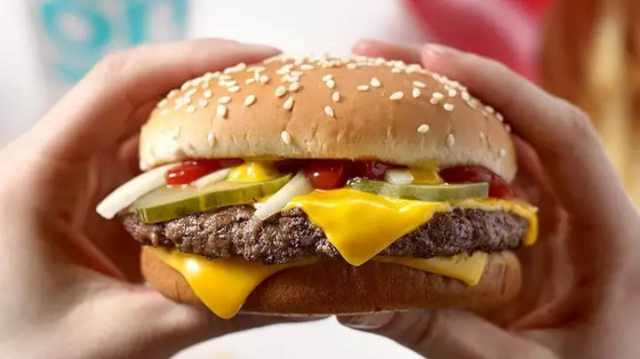 A big, juicy well-dressed plant-based burger: Looks great… But how does it taste?
For the record, I would have bet a crate of Romaine Lettuce that the key factor affecting consumer acceptance of plant-based food substitutes would be appearance. If it doesn’t look appealing, most of us wouldn’t even get around to smelling or tasting a new product, much less assessing mouth feel or texture.
But there’s new evidence that flavour is the overriding factor on this issue.
Numbers don’t lie…
A chorus of new surveys reported in Food & Wine included the following surprising results:
- Meat sales in the United States rose by more than 5 percent in 2024.
- Plant-based meat saw a 20 percent decline in purchases.
- A blind taste test conducted earlier this year found that most people preferred real meat. But…
- Some plant-based products performed equally well.
The bottom line?
- Experts say actually improving flavor and shifting public perception are both key to plant-based meat’s future success.
A matter of taste
The 2025 Nectar Taste of the Industry survey asked 2,684 adults in New York and San Francisco who self-identify as omnivores or flexitarians to eat and rate both meat-based and plant-based products at restaurants in both cities to assess their success in, “achieving an authentic and natural eating experience.”
According to Food & Wine: “Overall, participants indicated a preference for the animal protein option over the plant-based variety. However, this is partly due to significant disparities among the plant-based options they enjoyed.”
“This suggests that plant-based alternatives can truly be a great option for your taste buds, as long as the companies producing them enhance the flavors,” F&W continued. “People [psychologically] need these options to be not just acceptable or passable, but better than their meaty counterparts.”
A matter of perception
More complex – and much harder to address – may be the issue of consumers’ perception and expectations of plant-based protein substitutes.
Daniel Rosenfeld, a University of California, Los Angeles, (UCLA) behavioral scientist who specializes in plant-based food perceptions, told Vox: “People don’t just taste food in an objective way. […] When social norms with a product get set in place, it’s pretty hard to change that default.”
In other words, Rosenfeld suggests, meat eaters, “generally expect vegan food – especially plant-based meat alternatives – to taste bad. To them, veganism is a ‘symbolic threat’.”
My take
Rosenfeld suggests greater that concentration on changing consumers’ traditional negative perceptions and expectations of plant-based protein substitutes may be just as important – or more so – than actually actually improving the flavour of plant-based meat products.
And he might be right. But I can tell him, from my own life experience, that convincing folks to see beyond ‘symbolic threats’, and be objective when trying new things, can be one of the most frustrating experiences a would-be influencer can suffer…
~ Maggie J.