
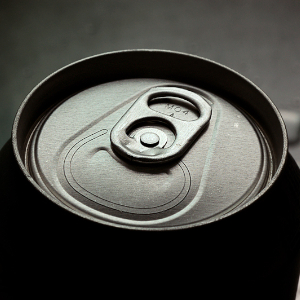
The US food and beverage sector could turn out to be one of the hardest-hit by the Trump Tariffs. The connection between tariffs and the price of canned foods is just now gaining traction with industry observers…
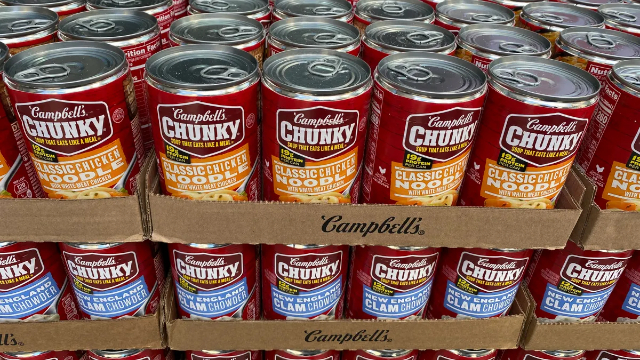 Thousands of non-beverage products are also packed in cans – both
steel and aluminum. And the US has traditionally sourced
the bulk of its cans and can materials from Canada…
The Trump tariff saga seems to add another verse every day. And it’s not a happy ballad. Food and bev manufacturers say the latest compound tariffs on Canadian goods entering the US, pertaining to aluminum and steel, could result in a 15 percent increase in the cost of canned beverages. And pro-ducts such as beers and sodas aren’t alone. ALL canned foods could be hit, and hit hard.
What’s going on?
The US Consumer Brands Association (CBA) warns that the 50 percent tariffs on imported aluminum and steel could cause an increase of up to 15 percent in the retail price of beverages and other can-ned foods.
US Soda and beer makers, in particular, are lamenting the affects of tariffs on their businesses. Coca Cola, in particular is reported to be considering at least temporarily reverting to plastic or even glass containers for its products to control costs. But that’s triggered a groundswell of protest from envi-ronmentalists. They point to the all-out war they’re waging against single-use plastic containers and food-sector utensils, which are ‘killing our oceans’.
Recycling ‘lagging’
Aluminum beverage can recycling remains one relatively bright point of light in the container indus-try these days. But a large of percentage of the aluminum cans needed each month to keep the booze, soda and bottled water flowing must still be manufactured from new material. And most of the aluminum used in food and beverage cans in the US comes from Canada.
Although most PET-type plastic containers can now be recycled, actual recycling volume remains relatively small. The bottleneck (pun intended) in the process is the failure of consumers to do their part, sorting recyclables at their point in the plastic and aluminum recycling ‘loops’.
Glass remains – on one level at least – the ideal food container mater. Glass container makers, in fact, are quick to point out that their pet material is the only one that can be re-used indefinitely simply by remelting and remolding it into new bottles and jars.
But there are drawbacks to glass, not the least of which its weight, in an age when transportation costs – dependent largely on weight – are considered a front-line issue in the overall cost of doing business. And glass is not the most energy-efficient, or lowest-carbon-footprint, material to recycle.
Collateral damage
Domestic can makers and canned food producers import nearly 80 percent of the tin mill steel they use for cans from foreign trade partners, Robert Budway, President of the Can Manufacturers Institute (CMI), said last week.
The CBA points out that up to 20,000 US food manufacturing jobs could be at risk if tariffs cause consumers to curtail their purchases of higher-priced canned goods.
My take
The food and beverage can ‘crisis’ in the US is just one example of collateral damage from Trump’s tariffs. And let’s not forget the ramifications here in Canada – lost sales and jobs, and instability in our metals industries if sales to the US crash.
It’s a huge mess, and it appears it’s still far from being resolved…
~ Maggie J.