

It’s a stark reminder of how insane the US ‘justice system’ can be. A California jury did recently award a delivery driver $50 million after he suffered burns from a cup of hot coffee.
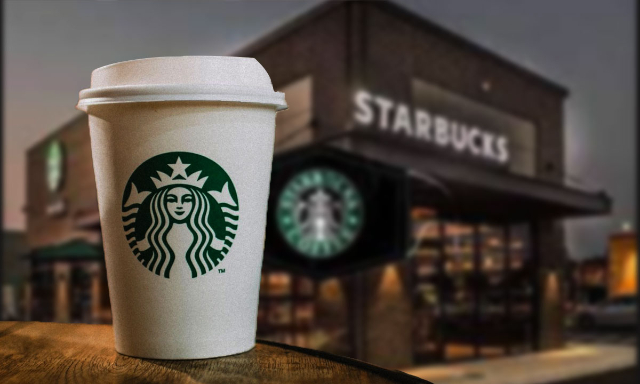 Is this the world’s most expensive cup of coffee? A California food
delivery driver cried $50 million tears after spilling one…
Remember the first really big Food Sector court case involving hot beverages? It made headlines world-wide. A woman named Stella Liebeck sued McDonald’s way back in 1994, after she was burned by hot coffee she had just bought from the Fast Food outlet.
The plaintiff in that case, Stella Liebeck, was originally awarded nearly $3 million. That award was appealed, of course. I don’t remember where the case ended up. But I clearly recall that the fact she won the case was not what made the headlines. It was the fact that she was awarded $3 million.
Call it ‘Liebeck’s Box’
The legendary Pandora had nothing on Stella Liebeck. Stella opened not a box, but a door to decades of escalating legal awards to customers and class action groups who have sued a variety of Fast Food joints over various ’causes’. And the price of a spilled cup of coffee has gone up astronomically.
Liebeck did suffer third-degree burns. But there remains an unresolved question in the minds of many: How do you set a realistic price on the ‘pain, suffering and mental anguish’ in a case like that? My answer is, you can’t. There is no way to place an objective value such a ‘loss’.
It doesn’t help that juries in such cases can award whatever they feel like in settlements. In other jurisdictions, there are rules limiting how much a plaintiff can receive for different sorts of ‘damages’. And usually, there are precedents to help judges or jurors ‘frame’ their decisions.
Appeal the only ‘guardrail’
The right of appeal by the defendant is the only so-called guardrail that keeps the whole system from flying off the rails. And the back-and-forth tidal flow of appeals in cases such as Liebeck’s, and deli-very driver Michael Garcia’s current suit against Starbuck’s can last years.
In some cases, the wrangling can drive up lawyer and court costs almost to the same heights as the disputed awards.
My take
It’s just nuts. Many bystanders as well as ‘victims of the system’ have pointed out, over the years, that there is no real ‘justice’ inherent in the US justice system. The law rules. And the rules aren’t always fair. ‘Well,” rich defendants (and their high-priced, high-flying legal eagles) scold poor plaintiffs: “Life isn’t fair!”
My questions to you…
So… What IS fair in liability cases such as these?
Should there be limits on how much can be awarded, based on the plaintiff producing evidence of how much they actually lost? After all, the legal term is ‘compensation’. That implies a ‘fair balance’.
The other dimension in court awards is ‘penalty’. And that is more a matter of imposing suitable ‘pain and suffering’ – punishment – on the convicted defendant than compensating the claimant or their loss. But should that money go to the wronged party, or be forfeited to the ‘people’ of the community where the injustice took place?
The REAL grey area…
Here we get into the grey mists of how much it takes to make a huge corporation like McDonald’s ‘hurt’ enough to learn its lesson…
The system always considers the ‘merits’ of such claims before they are allowed to go forward for trial. Should there not, at least, be greater emphasis on the ‘merits’ of compensation claims before they move on to the ‘penalty’ phase of a trial?
Do you agree with me that it would be most appropriate – and fairest – to determine how much a plaintiff receives in actual compensation, based on the ‘merits’, and separately consider how much the defendant should be made to pay in ‘penalties’…
~Maggie J.