
The latest festering food labelling ‘sore’ to pop on social media allegedly takes the ‘Canadian Content’ issue to new lows. Redditors have reacted sourly to a new ‘Sort Of Made In Canada’ designation being applied to products such as Orange Juice…
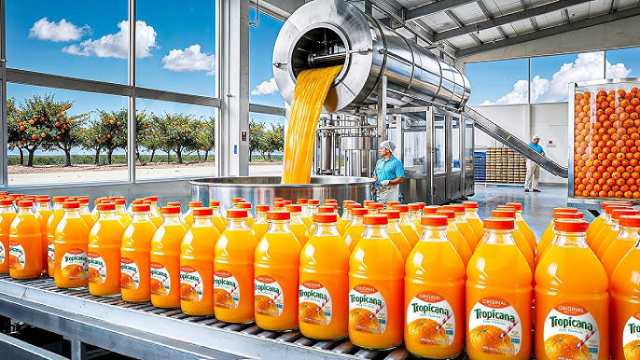
The new issue focuses on what r/Loblawsisoutofcontrol thread members are saying is yet another Loblaw’s attempt to help consumers differentiate between genuine ‘Made In Canada’ goods and others claiming various degrees of ‘Canadian Content’.
But the truth is, only the Canadian Food Inspection Agency (CFIA), can officially define what a specific food labelling convention means.
Degrees of ‘Canadianess’?
According to the CFIA…
- ‘100% Canadian’ means ALL of the ingredients, processing and labour used to make the food are Canadian.
- ‘Product of Canada’ means the processing and labour in a product are Canadian, and a significant amount of the ingredients are Canadian. There is no official logo.
‘Made In Canada’ is something else, again:
- ‘Made in Canada’ means the last substantial transformation of the product occurred in Canada. For example, the processing of cheese, dough, sauce and other ingredients to create a pizza would be considered a substantial transformation.
In addition, the following designations may also be used officially as prescribed:
- ‘Processed in Canada’ to describe a food which has been entirely processed in Canada.
- ‘Prepared in Canada’ to describe a food which has been entirely prepared in Canada.
- ‘Packaged in Canada’ to describe a food which is imported in bulk and packaged in Canada.
That contentious Maple Leaf logo…
In all the above instances, the maple leaf icon can be included but is not required.
“There’s no specific law on what you can put a maple leaf on,” David Soberman, marketing professor at Rotman School of Management, told Yahoo! Canada. “What we have to think about in marketing is what this actually communicates. When you put a little Canadian flag on something, some people will think it’s a Canadian product.” Period. End of Story.
Actually, it’s just the beginning!
Is it ‘tariff-affected’?
Loblaw’s has posted its own ‘Tariffs’ webpage, it says, to make the situation as clear as possible. Then, you can decide whether you want to buy a product based on your own definition of ‘Canadian’.
The truth is, only the Canadian Government’s Department of Finance can determine what products coming into Canada from the US are affected by the Trump Tariffs.
According to the Department, only the products listed at its official information page are affected.
My take
So… If you want to know whether a product is affected by a 25 percent tariff or not, consult the Finance Department page. If you just want to ensure you’re ‘Buying Canadian’, and need to check the official definition of any food sourcing or origin term, visit the CFIA page.
Accept no substitutes!
~ Maggie J.