
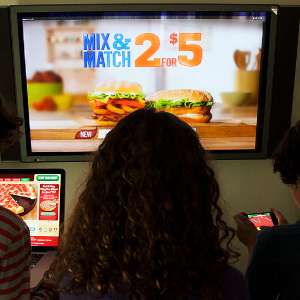
Children and teens today are the first generation with a shorter life expectancy than their parents — largely down to serious health concerns linked to the overconsumption of junk food. With over 39 million children under age 5 being overweight, the obesity epidemic is growing at a rapid pace.
An in-depth report…
Though the worrying statistics can be attributed to many factors, there’s one culprit we rarely hear about despite the huge power it holds over children: junk food marketing.
It’s important to note that marketers don’t actively try to make kids unhealthy. Their aim is to in-crease sales and promote their products. They’re great at what they do – and it helps that their products are delicious. Their ads lure young customers in more and more each day, shaping a whole generation’s unhealthy eating habits. But fear not, because in this series, we’re going to dive deep into the world of junk food marketing and how it’s making our kids crave those not-so-healthy treats.
What Actually Counts as Junk Food?
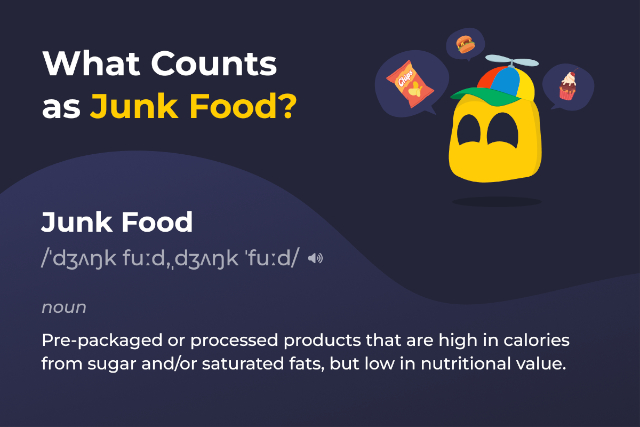
Junk food describes products that are high in calories and low in nutritional value. They’re usually high in unhealthy components like sugars, saturated fats, and salts, while skimping on essential nutrients like vitamins, minerals, protein, and fibre. Despite its poor nutrition, junk food’s addictive tastes, convenience, and low cost make it a staple for many. Common junk foods include fried foods, many takeaways, sugary and salty snacks, and sweet drinks.
When we talk about junk food, it’s not a one-size-fits-all situation. Different regions have their own standards in its production and distribution. For example, in the United States, high fructose corn syrup (HFCS) is a ubiquitous ingredient in products ranging from fast food to breakfast cereals and even bread. It’s very uncommon in junk food in Europe, however, as many studies linked this sweet-ener to obesity and health issues, prompting strict restrictions on its use.
Don’t get it twisted!
European junk food is still just that. Even though many say the UK’s products taste “healthier” due to a smaller ingredient list and fewer additives, genetically modified foods are present across multiple industries. Less unhealthy ingredients also doesn’t automatically make junk food in Europe healthy as it’s still filled with fats, salt, and sugars instead of vitamins and nutrients.
Globally, obesity rates vary across different countries, showing how quickly unhealthy dietary habits can spread. Updated statistics show that about 20% of children and adolescents in the US grapple with obesity. In Europe, the average obesity rate among children is about 12.5%, with specific count-ries showing different rates. Around 17% of kids are obese in the UK, 15% in Germany, while a con-cerning 40% of children in Spain and 18% in France are overweight.
Tomorrow: The Ins and Outs of Junk Food Marketing…
***
Are you enjoying this new series on Junk Food Advertising targeted to kids? It’s a first here on the Fab Food Blog. Let us know what you think. If our faithful readers approve, we’ll bring you more such in-depth reports in the future! ~ Maggie J.
***
This is Part I of a new series – a first for the Fab Food Blog – produced by The Digital Dinner Table, which is solely responsible for all content and opinions expressed.
For information, contact:
Michael Cooper
Digital Literacy & Youth Health Advocate