
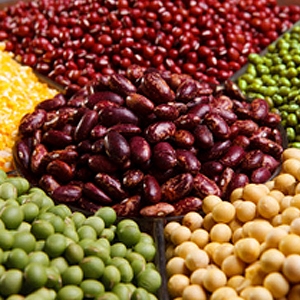
Many foods we take for granted – plant-based foods we’ll soon rely on for our sustenance – are facing climate-related challenges. And some are already in danger. We have to act now to make sure these key foods don’t disappear forever!
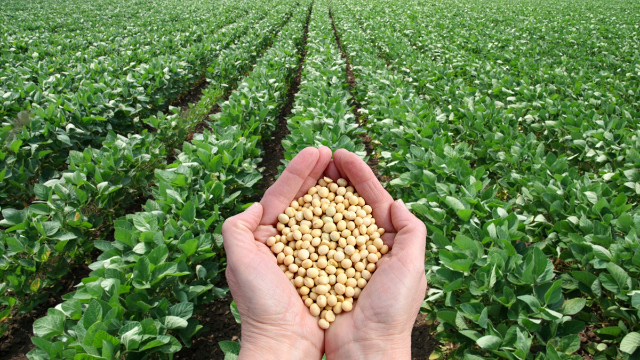 Soy Beans: The world’s most common and versatile legume is
among the foods most threatened by climate change…
We only hear regularly about a few of the plant-based foods that climate change is endangering. But the truth is., there are many more that we don’t hear about, which are equally threatened. And that’s especially concerning, because we’re on the doorstep of a dining Renaissance in which most of the people on Earth will switch from animal to plant-based protein sources.
What we hear about
We hear regularly about the travails that coffee, cocoa, bananas and staples such as rice have been undergoing for the past few years. And what we hear is generally hopeful. The stories I routinely come across headline the efforts of scientists to develop new varieties of key crops that can survive, if not thrive, in warmer climates.
But the problems facing the world’s plants go much further than that. In fact, droughts and increased rainfall in many regions have posed greater threats than warmer winters and hotter summers.
Major plant stressors
For example… Coffee, Chocolate, Potatoes, and Wheat are already facing significant production de-clines due to rising temperatures, increasing pest populations, and rising challenges from fungal and other diseases. Perhaps most serious of all, unpredictable rainfall can rob crops of the water they need at the times they need it most. And, on the other hand, unseasonal torrential rains (which are becoming more common around the globe) can trigger massive flooding, which wipes out crops in the fields.
Here, courtesy of Google AI, is a rundown of key foods threatened by our changing climate:
Coffee and Chocolate: Coffee, particularly Arabica, is highly sensitive to rising temperatures and changing rainfall, threatening small-holder farmers. Cocoa production, largely in West Africa, is vulnerable to extreme weather and pests, threatening a “chocolate-less” future.
Staples (Potatoes, Wheat, Rice, Maize): Global potato production could decrease by up to 32% due to heat and drought. Wheat yields are declining in warmer regions, while corn (maize) production is expected to face massive reductions.
Fruits and Nuts (Bananas, Citrus, Peanuts): Bananas are threatened by climate-related diseases. Citrus fruits, including oranges and limes, are facing shortages due to severe weather and disease. Peanuts are highly susceptible to changes in heat and rainfall.
Other Favourites (Maple Syrup, Wine, Chilis): Maple syrup production is threatened by disruption to necessary freeze-thaw cycles. Wine regions are shifting, and extreme drought has caused shortages in chili peppers.
Not just plants!
Climate change is beginning to wreak havoc on the ocean fisheries, too…
Seafood (Salmon, Lobster, Alaskan Crabs, Shrimps): Warmer water temperatures are reducing the catch of salmon and causing baby lobsters to die off. Likewise, the waters of the Bearing Sea are becoming too warm for the millions of King, Snow and Dungeness crabs that used to consider that region a comfortable home. Shrimp breeding grounds are disappearing as mangrove swamps around the world slowly dry up.
Lower-profile ‘strategic’ crops…
Avocados: “The fruit’s trees (yes, avocados are a fruit, not a vegetable) are water hogs, and they hate unpredictable weather. Mexico is ground zero for avocado production, and farmers there are already seeing the warning signs.”
Tomatoes: SO many of the ‘red’ foods and dishes we eat depend on Tomatoes for their colour and flavour! “But [it’s] surprisingly vulnerable, and climate change is turning up the heat on our supply. The other critical factor is water, “and tomatoes need plenty of it. They also need steady warmth, but not too much heat.”
Honey: Honey Bees are actually delicate creatures which are tremendously susceptible to extremes of heat and moisture. Indirectly, populations can decimated by diseases and parasitic infestations triggered by extreme weather conditions.
Tea: “Tea is highly sensitive to changes in climate. Tea can only be produced in narrowly defined agro-ecological conditions – meaning it can be grown in very few places, all of which are now facing severe climate change impacts.”
Legumes (Soy Beans, Chick Peas, Lentils, Field Peas, et al): (See photo, top of page.) Legumes are incredibly versatile, used in soups, stews, salads, dips (like hummus), tacos, and, when ground, as flour (e.g., chickpea flour). But they are also particularly sensitive to extremes of heat and moisture. “Most scientists project that yields will decrease [seriously] later this century as heat and water stresses intensify.”
My take
The real danger of climate change comes from the predicted reductions in legume and grain har-vests. Literally everyone on Earth now bases their traditional dietary regimes on one or the other.
The loss of legumes would be particularly devastating for humans, because these seemingly plenti-ful, ubiquitous foods are our richest and most complete sources of plant-based proteins and essent-ial nutrients. We’ll ALL be depending on them in another decade or two…
~ Maggie J.