
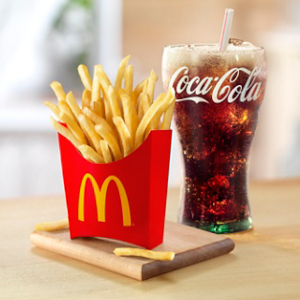
There is no doubt in the minds of most parents that McDonald’s foods can cause a migraine – from kids screaming at them to veer through the Drive-Thru. But what about claims that McD’s Coke and Fries can cure a migraine?
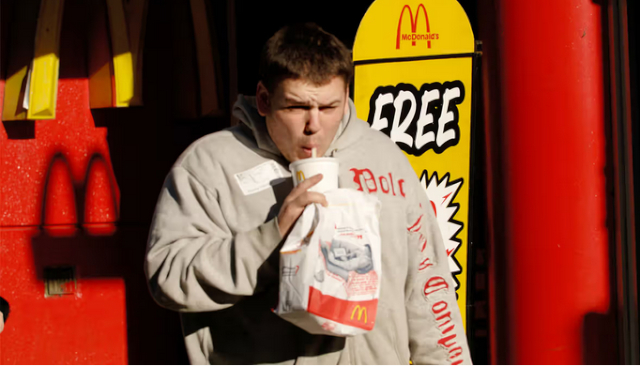 The (in)famous TikTok McMigrine Cure in action?
It’s a Tik-Tok phenomenon: All stemming from a vid-post on the controversial social media platform claiming that emergency application of a Large McDonald’s Coke and Fries can stop a migraine in its tracks.
COULD work….
There are many reports that the ‘cure’ works. In spite of the fact that the average person’s intuition and medical evidence say it shouldn’t. The surprise is, after ‘due consideration’, a number of medical authorities are saying it COULD work.
“Although the concept may be based on real-life experiences, it’s not grounded in clinical research. It may provide temporary solace for some, but it’s not something that should be in anyone’s regular or safe migraine treatment repertoire,” Kezia Joy, Registered Dietitian and medical advisor at Welzo tells Healthline.
“I completely understand that people living with migraine may be desperate to try anything that of-fers relief,” Specialist Registered Dietitian Nichola Ludlam-Raine concurs. “[But] this isn’t a strategy I’d recommend trying frequently from a nutritional or clinical perspective.”
HOW does it work?
One theory is that brain-related pain issues might abate after consuming high-sugar, high-fat, high carb food such as what TikTokkers are calling the McMigraine Meal. The effects of the caffeine in the Coke could also contribute to an overall analgesic effect.
“Caffeine […] constricts blood vessels, and in some forms of migraines, it can relieve pain,” Joy ex-plained.
“Migraines can be triggered or worsened by low blood sugar, dehydration, or electrolyte imbalances, and so salty fries may help the body retain fluid, while the caffeine and sugar in a Coke could raise blood sugar and offer a quick boost in alertness or energy,” Ludlam-Raine adds.
Two-edged sword
On the other hand, the combo of salt, sugar and caffeine could make a migraine worse for some sufferers, the specialists agree. Especially if their migraines are triggered by dietary sensitivities or underlying preexisting conditions such as hypertension (high blood pressure).
Stick to the ‘tried and true’
Joy and Ludlum-Raine also agree it’s probably best for most migraine sufferers to stick to tried-and-true, known-and-accepted treatments.
“Relying on fast food regularly may contribute to long-term health issues like weight gain, insulin resistance, high blood pressure, and poor gut health, all of which can potentially worsen migraine frequency or severity over the long term,” Ludlam-Raine points out.
Magnesium, which is relatively abundant in leafy greens and nuts, is involved in nerve functions, and has been shown to reduce the frequency of migraines in some sufferers. Other nutrients under in-vestigation as migraine treatments include vitamin B2 and co-enzyme Q10, along with Omega-3 fatty acids.
Simply staying adequately hydrated, eating regular, balanced meals to maintain steady blood sugar levels, and avoiding specific triggers like aged cheese, alcohol, or artificial sweeteners may be all some sufferers need to manage their migraines…
My take
Of course, there’s also the obvious notion that stuffing your belly with sugar, carbs and fat could trig-ger a shift in circulation. redirecting blood from your brain to your gut. As we all know, pain registers in your brain, not at the site of what’s causing it…
Whever the truth may be, I agree with the specialists that, for equally obvious reasons, it’s probably not a great idea to rely regularly on heavy, ‘bomb’ doses of McFood to quell migraines!
~ Maggie J.