
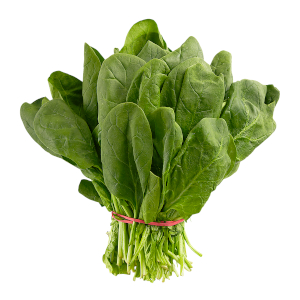
It used to be that the annual ‘Dirty Dozen’ (DD) list update didn’t reveal much in the way of changes over the preceding year. But this year’s edition brings some surprises… Potatoes and Blackberries are new on the ‘worst of the worst’ list…
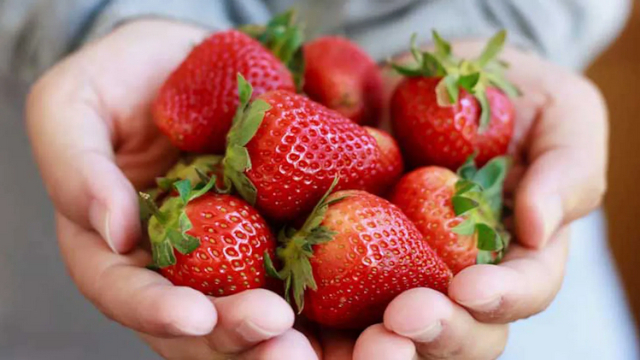 Strawberries: Second worst of the worst for pesticide contamination.
Well, after all… They do more or less grow on the ground!:
The Environmental Working Group is a US non-rofit organization that, “has been fighting for consu-mers’ right to live healthier lives in a healthier environment since 1993.”
Every year since 1996, it’s released an updated edition of its Shopper’s Guide to Pesticides in Produce spotlighting its (in)famous ‘Dirty Dozen’ list of America’s most pesticide-contaminated fresh fruits and veggies.
Here, without further ado, is the 2025 list – ranked from ‘most-worst’ (spinach) to ‘least-worst’ (Potatoes):
- Spinach (See photo, top of page.)
- Strawberries (See photo, above centre.)
- Kale, collard, and mustard greens
- Grapes
- Peaches
- Cherries
- Nectarines
- Pears
- Apples
- Blackberries
- Blueberries
- Potatoes
The DD is counterpointed with the ‘Clean Fifteen’.
Some surprises…
The Dirty Dozen doesn’t change much from year to year. That’s because the fruits and veggies on it are there for good reasons. Those reasons have a lot to do with the way they’re raised, what pesti-cidies are customarily used on them, and how late in the growing season they’re applied. Those factors don’t change much from year to year.
But this year, two new members have joined the DD and 2 old, reliable veggies have dropped off the list. Blackberries have been included for the first time, “based on the USDA’s first-time tests of black-berries, which found 93 percent of samples had pesticide residues, for an average of four different pesticides per sample.”
The other first-time member of the DD was potatoes, because, “new USDA data revealed that 90 percent of [potato] samples contained chlorpropham, […] banned by the European Union in 2019 […] due to health concerns for both farmers and consumers.”
Who runs the tests?
The Shopper’s Guide and the ‘Best of’ and ‘Worst of’ lists are based on official test results from the US Department of Agriculture (USDA) on dozens the fresh fruits and veggies that are most popular with Americans.
While the vast majority of produce samples tested did show traces (or more) of pesticides, most measured within official ‘safe’ ranges.
My take
“Everyone should eat more fruits and vegetables – organic or conventional,” said EWG Senior Scientist Alexa Friedman, PhD. “But for those who want to reduce their exposure to pesticides, the Shopper’s Guide can be a powerful tool to avoid consuming potentially harmful chemicals.”
In no way, EWG reps agree, should consumers construe membership on the DD list as any sort of recommendation NOT to eat those varieties of fruits and veggies.
And… I think it’s particularly important to note EWG Vice President for Science Alexis Temkin’s recommendations for ensuring the produce you’re consuming is as clean and healthy as possible:
- Buy either organic or conventional versions of produce (fresh or frozen) from the Clean Fifteen list, whenever possible.
- Buy organic versions of items on the Dirty Dozen whenever possible. Organic options have lower pesticide residue, Temkin says, because they have lower exposure to synthetic pesticides ,through their growing lives.
- Wash ALL produce for at least 15 seconds under running water before consuming. Although water does not eliminate all pesticide residue, Temkin says it significantly decreases the amount of pesticides while also removing dirt, debris, and potentially harmful bacteria.
Common sense wins the day… Again!
~ Maggie J.