We were just getting used to calling the food conglomerate ‘Kraft-Heinz’… Then the holding company that owns the tag-team partner-ship decided it was splitting up again, into separate ‘business units’. Now, Kraft-Heinz says it’s staying together, after all…
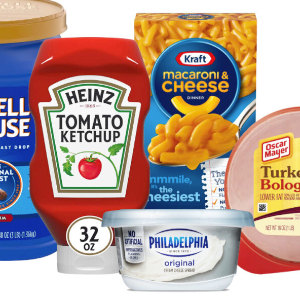
Kraft and Heinz actually figurehead a whole list of familiar brands, including their own names, Max-well House Coffee, Oscar Mayer, Classico (pasta sauces), Jello, Kool-Aid, Capri Sun (fruit drinks), Vel-veeta, and Philadelphia (cream cheese).
Why split in the first place?
The corporate parents of Kraft-Heinz, Berkshire Hathaway (27 percent stake) and 3G Capital (22 per-cent stake) decided to split the two companies after a history of sales declines while together. The two major brands joined corporate forces in 2015.
However, Kraft’s sales had been slumping for several years, but Heinz’s condiment lines had been growing. The former was dragging the latter down with it. Kraft admits, many of its traditional pro-ducts have been left by the wayside by customers looking for new, healthier versions.
New blood
But new Kraft-Heinz CEO Steve Cahillane, who came in at the beginning of this year from a successful stint at Kellogg, recently decided to change course.
“Consumer sentiment has worsened, industry trends have softened, and there is increasing volatility in the geopolitical landscape. These shifts make the path to recovery steeper,” Cahillane said in a statement.
Cahillane added, the company will invest $600 million on marketing, sales and R&D. Once the com-pany is growing overall again, it will be in a, “better position to make a decision,” about splitting up. Which, presumably, it will still do if Kraft is still not pulling its weight.
My take
Buried in the official Kraft-Heinz news release was the observation that, “Kraft Heinz, like all big food companies, is also grappling with inflation-weary buyers cutting back spending or switching to gen-eric labels as well as the rise of GLP-1 drugs hurting demand for snack food,” CNN pointed out.
However, financial types are cautiously optimistic about the Cahillane plan.
“The company’s $600 million investment, ‘could be the reboot the company needs to get back on track after a decade in the wilderness’, Bernstein analyst Alexia Howard said in a note to investors.
We’ll see…
~ Maggie J.