

Flavanols have been in the food news a lot over the past couple of years. They’re powerful antioxi-dants and anti-inflammatories. We also know exercise is essential to good health. Now, science has discovered a link between the two…
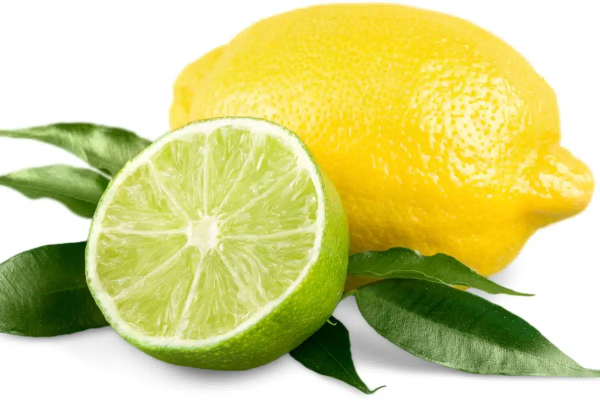 Iconic astringent foods: Who knew pucker-producing comestibles
might also turn out to be the ultimate ‘feel-good foods’?
What they are
“Flavanols (or flavan-3-ols) are potent antioxidant compounds found in cocoa, tea, apples, berries, and red wine, offering significant cardiovascular and cognitive health benefits,” Google AI summar-izes. “As a type of flavonoid, they help reduce inflammation, lower blood pressure, and improve blood flow, often found in high concentrations in dark chocolate.”
Exercise is essential
All the pertinent authorities now agree that daily exercise – even just walking – is essential to peak physical and mental health.
A new connection…
Researchers at the Shibaura Institute of Technology last December published a study in the journal Current Research in Food Science, claiming a direct connection between the effects of flavanols and physical exercise on the brain.
They were studying the effects of eating astringent foods, a sensation they describe as the, “dry, puckering, rough, or sandpapery feeling people notice when eating foods rich in certain plant com-pounds called polyphenols.” It’s caused by compounds such as tannins binding to salivary proteins, reducing lubrication, and constricting tissues. You experience it when eating fruits such as unripe bananas or lemons, or certain raw vegetables, or when black tea or red wine.
When they got down to the chemistry of it all, they got some surprising results.
What they found
It’s believed that Flavanol-rich foods like berries and red wine can stimulate the brain to trigger physiological responses similar to those generated by moderate exercise.
The puckering sensation – and the chemistry behind it – apparently cause the release of funda-mental brain chemicals including dopamine, norepinephrine, and related compounds associated with motivation, attention, and alertness.
The takeaway
While astringent foods can make you feel more perky, the researchers caution that they can’t replace the direct physical effects of exercise. You still need that walk or workout every day to maintain cardio fitness and ‘keep the juices flowing’.
My take
Who would have thought that astringent comestibles – which among other reactions generate an involuntary wince in most of us – would turn out to be ‘feel-good foods’?
Could the combination of alcohol and tannin in red wine explain why so many folks love it so much, even though on its surface the taste experience is rather harsh?
I think I’ll continue to take my supplementary flavanols in the form of dark chocolate – where the pucker is attenuated by sweetness and overwhelming umaminess…
~ Maggie J.