

I visited a bunch of different ‘trusted’ and ‘authoritative’ websites looking for indications as to the legitimacy of ‘adaptogens’. It was a word I’d never heard before today. And I expected to find adaptogens were an urban legend. But I was wrong!
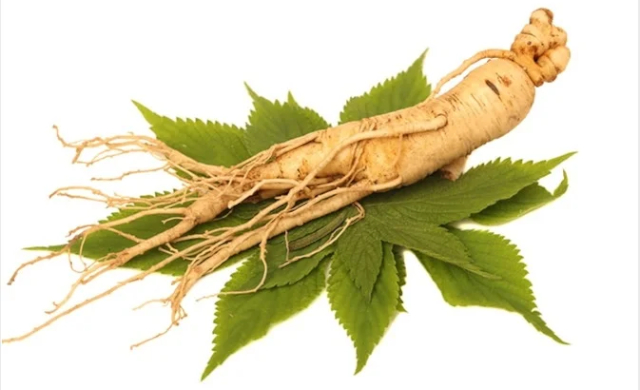 Ginseng: An ancient, tried and true staple of Asian herbal medicine…
Adaptogens are neither particularly new, nor are they in any way mythical. In fact, they’re spoken of in serious, clinical terms by authorities from The Cleveland Clinic to UCLA Health…
Getting caught up
My first thought was, “I missed this one the first time around! Gotta get caught up on it!” Care to come along for the ride?
Disclaimer: I was not only not familiar with the word – I had never come across the concept before! But when I started reading about adaptogens, I warmed to the idea quickly. Because they’re some-thing I’ve often wished I had on hand when stress verged on panic.
What are they?
“Any kind of stress – physical, emotional, hormonal, and even things we eat and drink – affects the body’s systems,” UCLA Health explains. “Experts believe that adaptogens interact with the hypothal-amic-pituitary-adrenal (HPA) axis, which initiates your body’s stress response and plays a big role in keeping your body in balance.”
In other words, they’re compounds specifically known to counter stress where it lives – in your brain. And they are well-enough established in the pop-health culture to have spawned powder and pill forms in Supplementville.
But we can also get them from closer-to-nature sources such as plants and herbs, including:
- Ashwagandha, shown to help reduce anxiety and depression.
- Ginseng, which refers to either American or Asian ginseng, and is used to combat fatigue.
- Reishi, a type of mushroom adaptogen used to boost the immune system and fight cancer studied for its effectiveness in treating cancerous tumors. (See photo, top of page.)
- Schisandra, for improved concentration, coordination and endurance.
- Tulsi (“holy basil”), used to increase focus, decrease anxiety and boost the immune system.
Most folks reading this post will already be familiar with Ginseng. But the other plants were all new to me – and to you, too, I’m assuming. Feel free to jump out anytime and Google them if their description above matches symptoms you might have.
No magic bullets
As I’ve often observed, there are no magic bullets out there – cures that work every time, for every sufferer. UCLA also offers some important caveats about adaptogens:
- Like many supplements and herbal treatments, they’re not regulated by official health protection agencies.
- They may interact with other medications.
- They’re not a permanent solution to your stress, fatigue, mood or immune system disorders.
Think of them more as more like first aid.“Adaptogens and supplements can sometimes be more of a band-aid,” says UCLA Health Registered Dietician Dana Hunnes. “Instead, work with your physician to understand the underlying cause of your symptoms or issue.”
My take
The good news is, most adaptogens are mostly harmless:
- They’re nontoxic at normal doses.
- They support the entire body’s ability to cope with stress.
- They help the body return to a stable state after a stressful episode.
I was surprised that the list of primary adaptogens, a couple of sub-heads above, did not include old standard faves such as Camomile, Ginger and Turmeric. But after further research, it became clear that the herbs and plants in he ‘master list’ are considered to be in a class of their own, and are recommended by herbal medicine and dietary consultants as specific for the conditions listed. In other words they’re not just general anti-stressors.
You can work with your family physician, and through them with specialists – to reduce your overall stress, and come up with strategies to combat stressors what keep coming back to plague you.
But it wouldn’t hurt to keep some plant- or supplement-form adaptogen that works for you close at hand until you have your situation under long-term control…
~ Maggie J.