
Democratic presidential candidate Kamala Harris last week pledged to take executive action on high food prices within her first 100 days in office. And I, for one, think that will win her a significant number of votes…
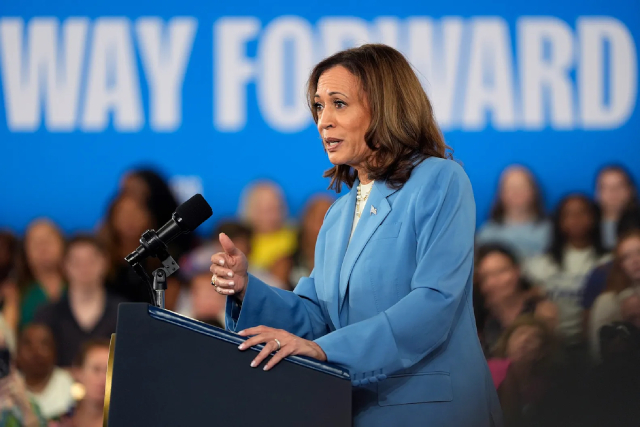
US Vice President Kamala Harris has promised to take federal government action to control relent-lessly high retail food prices, if elected this November. And I think that was just what a lot of voters who were teetering on the ‘undecided’ edge may have been waiting to hear…
What she said
During her policy rundown, delivered during a rally in North Carolina last Friday, Harris proposed a federal ban on, “corporate price-gouging in the food and grocery industries.”
“[P]rice fluctuations are normal in free markets,” she explained, in a statement. But, “there’s a big difference between fair pricing in competitive markets, and excessive prices unrelated to the costs of doing business […] Americans can see that difference in their grocery bills.”
Harsh penalties
Harris also promised ‘harsh penalties’ for those who break her new rules against ‘price gouging’, the Washington Post reported. No details of her plan were revealed. But observers agree she has set herself a high bar with the challenge to rein-in food manufacturers and retailers.
Doubling down
That plan isn’t just appearing out of the blue, though. Back in February, President Joe Biden made a video decrying ‘shrinkflation’, the deceptive marketing practice by which manufacturers reduce the amount of product but keep their package sizes the same.
“Sports drink bottles are smaller, a bag of chips has fewer chips, but they’re still charging just as much,” Biden complained. “And, as an ice cream lover, what makes me the most angry is that ice cream cartons have actually shrunk in size but not in price.”
In an unusual mood of displeasure, the president declared: “I’ve had enough of what they call shrinkflation. It’s a rip-off.”
The Biden administration subsequently created a Strike Force on Unfair and Illegal Pricing. And Harris is doubling down on that policy position.
A whole complex of causes
But high food prices are the result of a whole complex of causes, some of which compound on others. Like when manufacturers boost prices and pass them on to retailers. Even if retail profit margins remain the same, their overall profit on the product increases.
And many consumers say they’re still confused about how the food chain works, and how global commodity prices on grains, cooking oil and other ‘staples’ affect the prices they pay.
My take
One thing is certain: There’s no way the big supermarket chains should be reporting quarter after quarter of record profits while average folks are struggling to pay their bills AND put decent food on their tables.
I heartily applaud Harris’ promise to Americans to0 tackle high food prices. And I wonder if her initiative will finally move the Canadian Government to take desperately needed parallel action…
~ Maggie J.