
The CEO of a major US supermarket chain has promised a huge food price cut – if its pending merger with an arch rival is allowed to close. But the promise is so extreme many wonder if the CEO will make good on it, in the event…
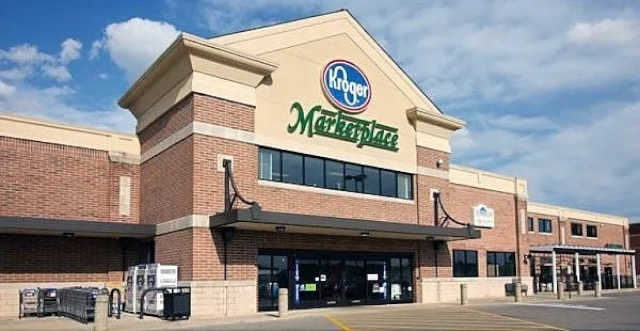
Kroger’s wants to merge with Albertson’s, another major supermarket chain, producing one of the largest retail food powers in the US. But it must first convince regulators the union will be good for consumers, and not threaten healthy competition…
A rough ride
The mega deal, estimated to be worth $24.6 billion in stock and cash, is being resisted by competition regulators.
“After the U.S. government’s request for a preliminary injunction that would block the deal,” ABC News reports, “chief executive of the nation’s third-largest general retailer Rodney McMullen took the stand in a federal courtroom in Oregon on Wednesday as part of a three week hearing to defend the merger with Albertson’s.”
McMullen pledged a $1 billion food price relief measure in an effort to save the deal.
Details haven’t been revealed. The impact of the promise could range from dramatic to negligible, depending on the time frame over which it was ‘phased’. Knowing supermarket execs as we do, one might expect no a long-term project with immediate, significant food price reductions which might seriously threaten the company’s profits. But that all remains to be seen.
What it would ‘look like’…
Cincinnati-based Kroger’s operates 2,800 stores across 35 states, with brands including Ralph’s, Smith’s and Harris Teeter. Boise-based Albertson’s operates 2,273 stores in 34 states, including brands like Safeway, Jewel Osco and Shaw’s.
Together, Albertson’s and Kroger control approximately 13 percent of all US grocery sales. By compar-ison, the leading grocery retailer, Walmart, currently controls nearly 22 percent.
McMullen told the committee that Albertson’s prices are currently 10 to 12 percent higher than Kroger’s. And the merger would allow the new company to ‘shrink’ that gap..
Not a pancea
This deal might just pay off as McMullen claims. But it would not be a food-price panacea. Industry observers don’t forsee a race by other supermarket chains to merge, in hope of producing the same effects.
My take
While Alberson’s customers in many regions will probably enjoy some food price reductions following a merger with Kroger’s, the deal won’t have broader, industry-wide effects.
With supermarket profits soaring unremittingly in the face of continuing punishingly high retail food prices, it’s becoming clearer every week – at the checkout – that governments must step in and mandate price controls.
~ Maggie J.