

It’s deceptively simple to identify – and avoid – obvious sources of excess sugar, salt and fat in our diets. Just read the label, folks. And don’t add any yourself. But we still get significant, unsuspected doses of bad stuff from common, everyday foods…
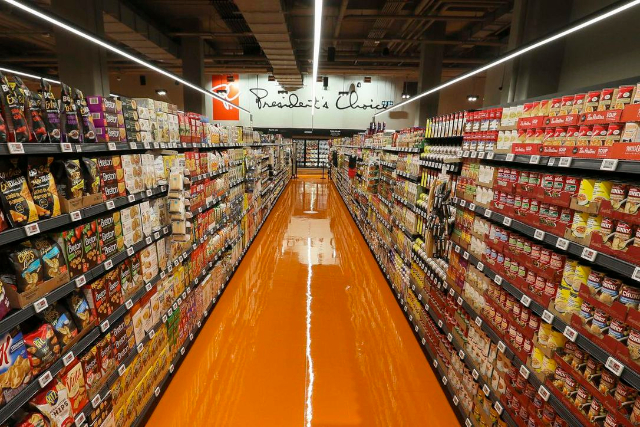 At least 75 percent of products on your supermarket’s shelves are processed or
ultra-processed. And many of those contain excess sugar, salt and fat…
It’s like a devious, entrenched sleeper-spy network in our pantries and fridges. A whole list of foods we just take for granted. We don’t even bother to read their labels. They’re part of our daily lives and have been there forever. But they’re also smuggling shipments of excess sugar, salt and fat into our bodies. Enough to challenge our own best intentions to cut down…
Like the serial killer next door
These innocuous foods fly under our radar, doing their fifth-column dirt undetected. They’re like the guy next door we all thought was the nicest, most harmless neighbour we ever had. The guy we trusted with our spare house key when we went away on holidays.
Then, one day, you look out your window and there are police cruisers and black Suburbans blocking your driveway. And people in hazmat suits are digging up his back yard.
“He mostly kept to himself. But he was such a nice guy…”
So it is with stealthy sugar, salt and fat traffickers. And virtually are processed or ultra-processed foods…
Sugar smugglers
We all know about candy, sugary breakfast cereals, baked goods, sodas/soft drinks and sweet tea. But how about…
Tomato products
Virtually all commercially made tomato products – pasta sauces, in particular – contain deceptively large amounts of sugar. That’s to offset the natural acidic taste of tomatoes, which is accentuated when they’re processed. Food processors may also add salt to offset the excessively sweet taste the sugar may impart.
Condiments
Virtually all popular condiments contain sugar. That includes those western diet staples, ketchup, mustard green pickle relish, any just about every bottled sauce you’ll encounter in the supermarket. Once again, it’s about balancing the flavour of spicy, and acidic ingredients.
Fruit juices
Natural fruit juices are very sugary. And it’s not just their natural sugars, which are high to start with. Because juices – particularly orange and apple juice – are tart and acid, processors usually add sugar in some form to make them more palatable. You can get unsweetened versions of most popular commercial juices. But that just means they didn’t add any sugar.
Salt scammers
Forget the obvious suspects – chips, fast food mains, fries and deli meats. There’s a load of salt in many foods you probably consider healthy. Like…
Cheese and butter
These beloved standards are now recognised as basically good for us. But as with all concentrated foods, consume wisely, in moderation.
Canned vegetables, soups and entrées
Including SPAM, ravioli, stews and chilis, baked beans and all their relatives. Some of these preparations – notably baked beans – are also full of sugar.
Packaged dry mixes
Dry soup mixes, hamburger helper, stuffing mixes and so on. They all have a substantial amount of salt to help bolster their flavour profiles. After all, that’s what you bought them for…
Tomato sauces and salsa
Is there anything nasty these products don’t have? (Hint: fat) Sugar – and now, salt. As with other processed foods, excess salt is sometimes added to cheaply and effectively balance extra sugar and other flavour components.
Fat factories
Most of the fatty temptations we’re faced with every day are obvious: fried, cured, dairy and animal-source foods in general. But others are less obvious…
Whole milk
Yes, really. Skim or 2% milk is often recommended by doctors for kids who have overweight and obesity issues. And, like other animal sources, milk fat is overwhelmingly saturated.
Cream substitutes
Here, we’re talking the liquid form. The bulk of these white viscous products is composed of highly-processed ‘edible oil’. Looks like cream, stirs like cream. But it’s something else entirely.
Baked goods
Muffins and cakes are major culprits. We taste and understand that they’re high in sugar. But if you bake at home, you’ll also know that they’re high in fats and oils. After all, the first step inb making a standard 2-egg cake is always, “Cream together the sugar and butter…’
Palm and Coconut oil
These tropical oils are highly saturated. But they are beloved by food processors for their compatibility with mechanized manufacturing processes. Not to mention their attractive low cost. You’ll find these ‘bad’ fats in many manufactured, processed foods. Which brings us full-circle, back to “Read the label!”
My take
These foods are just the most obvious ‘stealth’ sugar, salt and fat hosts among products we encounter every day. It’s up to us to protect our own interests – and those of our families and others we feed – by taking the time to see what’s really in the packaged and processed foods we bring home.
~ Maggie J.