

Forget all those fad diets. And, while you’re at it, nix all the ‘one size fits all’ plans. If you really want to lose weight and keep it off, you need to develop a personalized diet regimen that relies on knowledge of key nutrients and limits Calories…
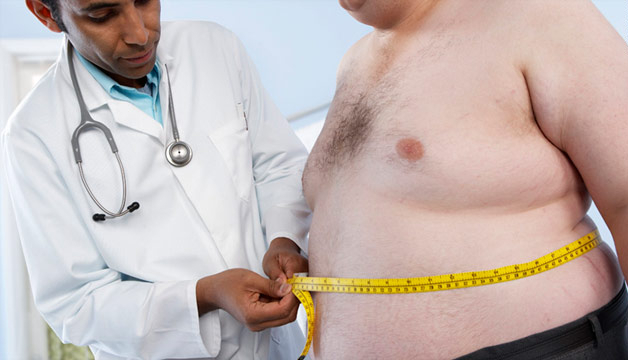
More and more folks are becoming aware of their weight – specifically, how much excess weight they have. And that means they’re looking for a weight loss regimen that will work for them. But the world offers a bewildering selection of different plans. And many just don’t suit any individual’s needs…
It’s personal
I am a prime example of someone who couldn’t lose weight and keep it off until she adopted a doctor-guided, personalized diet and exercise regimen.
And as such, I wholeheartedly endorse the findings of a new study by University of Illinois research-ers which emphasizes the need to individualize your weight loss regimen. And focus on a select few key nutrients.
Key findings…
The study revealed that subjects who followed the researchers’ Individualized Diet Improvement Program faithfully for a year lost almost 11 percent more weight than their unsuccessful peers.
“Flexibility and personalization are key in creating programs that optimize dieters’ success at losing weight and keeping it off,” said team leader Manabu T. Nakamura, a professor of nutrition at the University of Illinois Urbana-Champaign.
“Sustainable dietary change, which varies from person to person, must be achieved to maintain a healthy weight. The iDip approach allows participants to experiment with various dietary iterations, and the knowledge and skills they develop while losing weight serve as the foundation for sustain-able maintenance.”
What they did
The study included both male and female subjects, mainly aged 30 – 64. All reported they had tried at least twice before to lose excess weight. And all had complicating issues, ranging from high chol-esterol, bone density problems and hypertension to sleep apnea, diabetes, nonalcoholic fatty liver disease, cancer and depression. That made the group pretty representative of the greater middle-aged population…
According to an abstract of the study report, the iDip team created a one-of-a-kind, two-dimensional quantitative data visualization tool to plot foods’ protein and fibre densities per calorie. And pro-vide a target range for each meal.
Starting with foods they already habitually ate, each dieter created an individualized plan. But they increased their daily protein intake to about 80 grams and their fibre intake to about 20 grams.
Compelling results
Even with all their various ‘comorbidities’, the successful dieters uniformly lost an average of 12.9 percent of their starting body weight. Unsuccessful subjects lost an average of only 2 percent.
My take
I hasten to add, a third key to the personalized, flexible diet approach is a commitment to walk every day. As far as you can. At least half an hour to start, working your way up to an hour or more.
That was an essential component of my program. It kept my muscles and joints in shape, and boosted my cardio fitness in the process.
If you want to – or absolutely need to – lose weight, try the high protein/high fibre plan. And limit calories. The more fibre and protein you consume, the less extra stuff you’ll need to feel full longer. Your temptation to snack should subside…
Good luck!
~ Maggie J.