
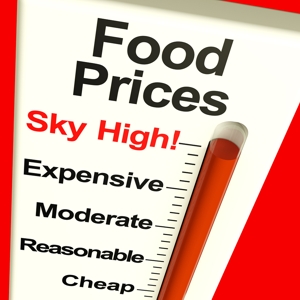
A new survey reveals alarming trends in US public opinion vis à vis government food policy. First, it’s crucial that nutritious food be made more accessible. And it also needs to be more affordable. The benefits to the health care system outweigh the costs…
Stating the obvious?
It may be simply stating the obvious. But the latest survey conducted by Zogby Analytics on behalf of Research!America and the American Heart Association (AHA) underlines the importance and immediacy of the issues it addresses.
According to an abstract of the survey report, “Nearly 7 in 10 (68 percent) respondents recognize healthy eating habits as an important factor in improving a person’s chance for a long and healthy life. Yet more than half (53 percent) say the United States is not making enough progress for nutritious food to be more accessible and affordable.”
What they found
On the health care side
Obesity – and its associated health issues – are viewed by, “a resounding 94 percent of respondents,” as either a somewhat (41 percent) or very (53 percent) serious concern.
The health care sector said:
- More than 6 in 10 (61%) U.S. adults are projected to have some form of cardiovascular disease by 2050 — up from about half of all adults currently.
- Obesity rates will increase nearly 40% in adults. from 43.6% to 60.6%, and by more than 60% in children, from 20.6% to 33% by 2050.
- The highest growth of obesity prevalence is expected to be among adults 20-44 and 45-64 years old. In children, a steep growth of obesity is projected in all age groups.
- More than 150 million people (close to half of the nation’s population) will have a poor diet — the most prevalent factor affecting health conditions such as hypertension, obesity and diabetes.
On the consumer side
Overall a remarkable 77 percent said they would like to eat a healthier diet. However, they cited significant barriers to achieving that goal:
- The cost of healthy food (60%): Many find it challenging to afford nutritious options.
- Stress eating (42%): Emotional factors play a role in dietary choices.
- Lack of preparation time (33%): Busy schedules hinder meal preparation.
- Lack of knowledge (32%): Understanding what foods are healthy and how to prepare them remains a challenge.
The takeaway
Nearly 60 percent of the U.S. diet is comprised of ultra-processed foods that are high in refined grains, calories, sodium, sugar and saturated fat, and are more often selected by consumers over nutritionally healthier alternatives, according to statistics cited in the report. The report calls for stakeholders including health care professionals, food industries, policymakers and others to drive innovations that enable food systems to bolster health outcomes.
The hope…
“Efforts led by the American Heart Association have cut death rates from heart disease by half in the past 100 years, but as we look to our second century of existence, the trends are ominous,” said Nancy Brown, chief executive officer of the American Heart Association.
“We are committed to averting a crisis of unparalleled health and economic burdens due to cardiovascular disease and obesity in the coming decades.”
My take
Disclaimer: Both sides of my family have a long history of cardiovascular disease. Going back as far the records are available. So I’m especially happy to hear that someone in authority (the AHA) is speaking out about the need for major efforts by government and the food industry to address the fundamentals.
We all need to be aware that the long-term benefits of government and industry efforts toward the study’s goals will far outweigh its short-term costs. And let’s not forget that what goes for the US can usually be taken to apply to the rest of North America and Europe, to a greater or lesser degree, by association.
We’re all in this together…
But the availability and affordability of healthy, nutritious food is something we all need to fight for. This study, in a sidebar sort of way, strongly supports grassroots efforts like the Loblaw’s Boycott, which are trying to spur progress on exactly the issues the study advocates.
The simple fact that a whopping 77 percent of those polled said they want to eat healthier is a giant leap forward in the way we as a society view our food situation.
~ Maggie J.