
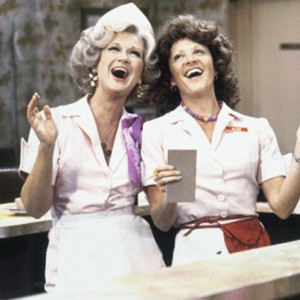
The Classic Diner first appeared early in the last century. Its popularity waxed and waned with the economic booms and busts, and the fortunes of the Working Class. But after 100 years, the Diner had become an endangered species…
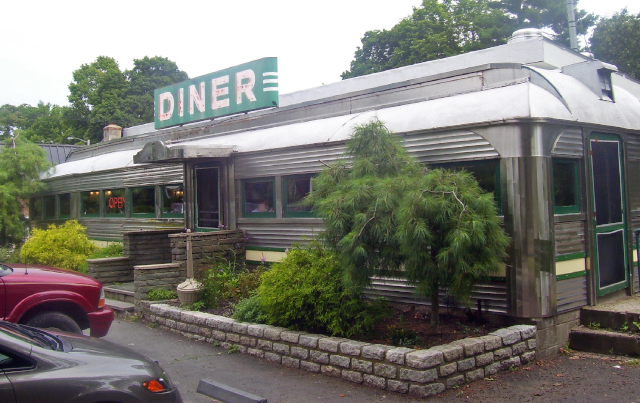 A classic ‘dining car’ diner: First opened in 1927. The first ‘true
diner’ in New York State. And still going strong!
Blue collar origins
We’re told the classic American Diner sprang up in response to a need created by the Industrial revolution – particularly, the manufacturing sector. Around the dawn of the 20th Century, more and more workers were heading to factories every day to make mass-market products. And they needed a solid breakfast to get them going.
As we mentioned in our ‘5 Facts About Eggs’ post last week, Eggs got the nod as a key protein on diner menus because they were the unchallenged best value on the protein market. Relatively cheap at the time, bacon also became ‘standard’ diner fare.
Because they catered to ‘the working man’, early diners usually served only breakfast and lunch.
Why use trolly and train cars?
It’s an iconic stereotype: the classic diner built into an old trolly or railroad car. That was the original style for a very good reason: Catering as they did to factory workers, the first diners were actually mobile – presaging the coffee truck of the 1970s and the modern food truck. Indeed, that’s how the ‘diner’ got its name: by natural association with railroad dining cars!
Eventually, though, the diners ‘parked’ – at permanent locations convenient to everybody.
Finally, diners started to establish themselves in store-fronts. And that development led quickly to diversification, with the original concept calving off Cafés, Luncheonettes, Lunch Counters, Snack Bars, Grills and Tearooms.
Nasty nicknames
Beloved by the working classes, diners were seen as a symbol of their inferiority by upper-class ‘citizens’. The white-table-cloth set coined a whole litany of nasty synonyms for ‘diner’, including Greasy Spoon, Hash House, Beanery along with the relatively-tame Eatery.
While some early diners may not have observed the highest food handling and sanitation standards, modern Health Department regulations rule today. And those disparaging terms have all but fallen out of use.
Diner ‘lingo’
Diner staff developed their own language to transfer orders from the counter back to the kitchen with the utmost ease and efficiency. Some of these colourful terms eventually leaked out into common usage. Among the more relatable…
- We still say to ’86’ something when we want it cancelled or omitted.
- My folks always used ‘Adam’s Ale’ as a pseudonym for water.
- Dad loved referring to eggs as ‘Cackleberries’.
- ‘Sunny side up’ and ‘Over easy’ have been adopted by mainstream English.
- The terms ‘Java’ and ‘Joe’, which meant coffee, were not invented in diners, but became essential parts of the jargon.
- ‘Moo Juice’ is still used by kids today to indicate milk, having been passed down by their elders.
- A doughnut is still a ‘Sinker’ to many. And…
- A ‘Tube steak’ is, and always will be, a hot dog.
What a great way of communicating. As rich and colourful – and fun! – as the stuff they were serving! For some customers, the show was almost as enjoyable as the food.
A 21st Century renaissance
Diners fell out of popularity in the latter part of the last century. One reason was, people were doing better economically. The Middle Class ruled. And they demanded something ‘classier’ when they went out to eat.
Food trucks dominated the downtown zones of every major city in the 80s and 90s, to the point that bricks-and-mortar restaurateurs demanded strict controls on their lower-priced competition.
But classic diners survived in the modern equivalents of the locales that nurtured the concept in its youth: commercial and industrial ‘parks’. They also persisted in residential communities outside the urban cores.
Back to their roots
Now, in the 21st Century, with food prices soaring and lifestyles becoming every more hectic, the diner is making a major comeback. They’re attracting younger folks and families who can’t afford to eat in sit-down restos anymore. And are rebelling against the meteoric rise in Fast Food prices in the post-COVID era.
Fast Food joints are – perhaps unwittingly – aiding and abetting the renaissance of the diner. Restos in the Burger, Chicken, Coffee and other grab-and-go niches are eliminating their in-store seating, capitalizing on takeout and drive-thru customer traffic. Not to mention pushing customers hard to use online apps for ordering and payment.
My take
It’s heartwarming to see the classic diner regaining at least some of the popularity it enjoyed in the middle of the last century. And it’s great that families have a place to go to eat together that doesn’t cripple their slim food budgets.
The food is not much fancier than it was in the early days: Eggs, Bacon, Flapjacks, Waffles, Toast and Coffee. Hash Browns, Country-fried, Home-fried or French-Fried spuds. Western Sandwiches, Clubs, BLTs and Grilled Cheese. Classic Burgers and Dogs – dressed the way you want ’em. Chicken Noodle, Tomato and Cream of Mushroom soups. Cream and Fruit pies, Doughnuts and Muffins. If you’re lucky, they might even offer ‘Mom’s Meatloaf’.
Trips to the diner and Wollworth’s lunch counter were a cherished part of my childhood. It’s great to know I can still go out and relive those magical times!
~ Maggie J.