
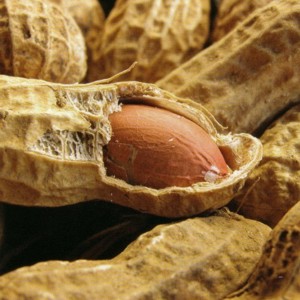
If there’s a confection company that’s got more at stake in the happy, healthy future of the peanut than Mars, I can’t think of it. In fact, Mars must be second only to the Peanut Butter brands as a commercial ‘food’ peanut user…
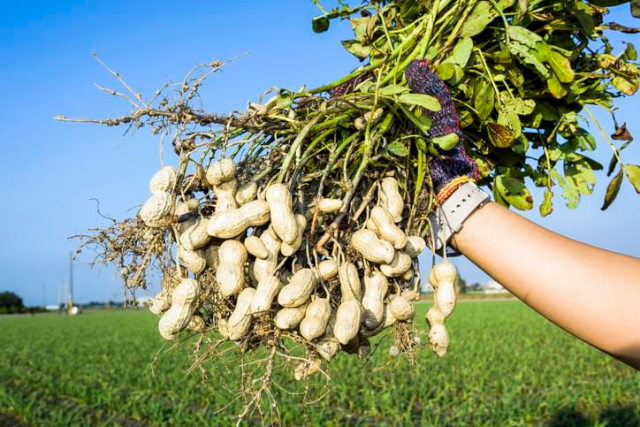
 Mars really does use a mountain of peanuts in its products: From M&Ms, to Snickers, both of which the company describes as ‘billion-dollar brands’.
Heck, its operations (if not its corporate HQ) actually occupy a huge amount of real estate across Georgia – the self-proclaimed Peanut Capital of America.
But Mars’ interest in the peanut goes much further then that… The company has in fact invested more than (US)$10 million in research and development on the legume over the years. And it’s now committing an-other $5 million over the next few years in order to ‘Protect the Peanut‘ through the coming climate crisis and on into the future.
Amazing ‘cull’ rate
‘Due to issues like climate change and crop disease, […] up to 30 percent of peanuts never make it from pod to plate,” The official ‘Protect the Peanut’ website reveals. “Too much or too little rain at the wrong time can completely derail an entire harvest.”
When it comes to purchasing peanuts, Mars has some of the highest standards in the industry: Only 1 in 100 peanuts pass all their tests to make it into Peanut M&M’S.
That’s been a sad reality, across the US and foreign peanut-growing regions, for a long time. Likewise, excessive moisture can cause fungal and other diseases that can endanger entire peanut crops. And climate change can deliver either extreme.
Science catches up…
The peanut industry has long struggled to combat this threat because it didn’t have the tools it needed to make peanuts more resilient. That is, until recently. The company has already spent $10 million in support of the Peanut Genome Initiative, which seeks to map the entire peanut genome – a valuable contribution to efforts by the world’s top peanut experts to breed the ideal peanut for an uncertain future.
One central thrust of the overall program is to conduct wide-ranging crossbreeding screens with drought- and pest- resistant wild peanut varieties in Brazil.
Broader implications
Far beyond the need for a stable supply of good-tasting, higher-yielding peanuts for the confection industry, Mars point out that billions of tons of the legume are grown around the world annually as livestock feed. And millions of people, especially in Asia and Africa, depend on peanuts as a key protein source in their pwn diets.
My take
The ‘Protect the Peanut’ program is not unlike similar forward-looking initiatives by companies such as Hershey to develop climate-hardy cocoa varieties, and group efforts by conglomerates such as The International Coffee Organization on the sustainability of their products.
The 21st century will be a decisive one for many staple, globally-important crops. But it appears that those with the most loose are already doing the most to ensure that core, staple agricultural products survive climate change and thrive in a very different future…
~ Maggie J.